

Best Rice Fields in Ubud: Hidden Walk, Photo Spots & Local Routes (2026)
Published On 26 May, 2026, Categories Travel Guides
Beyond the Instagram Posts
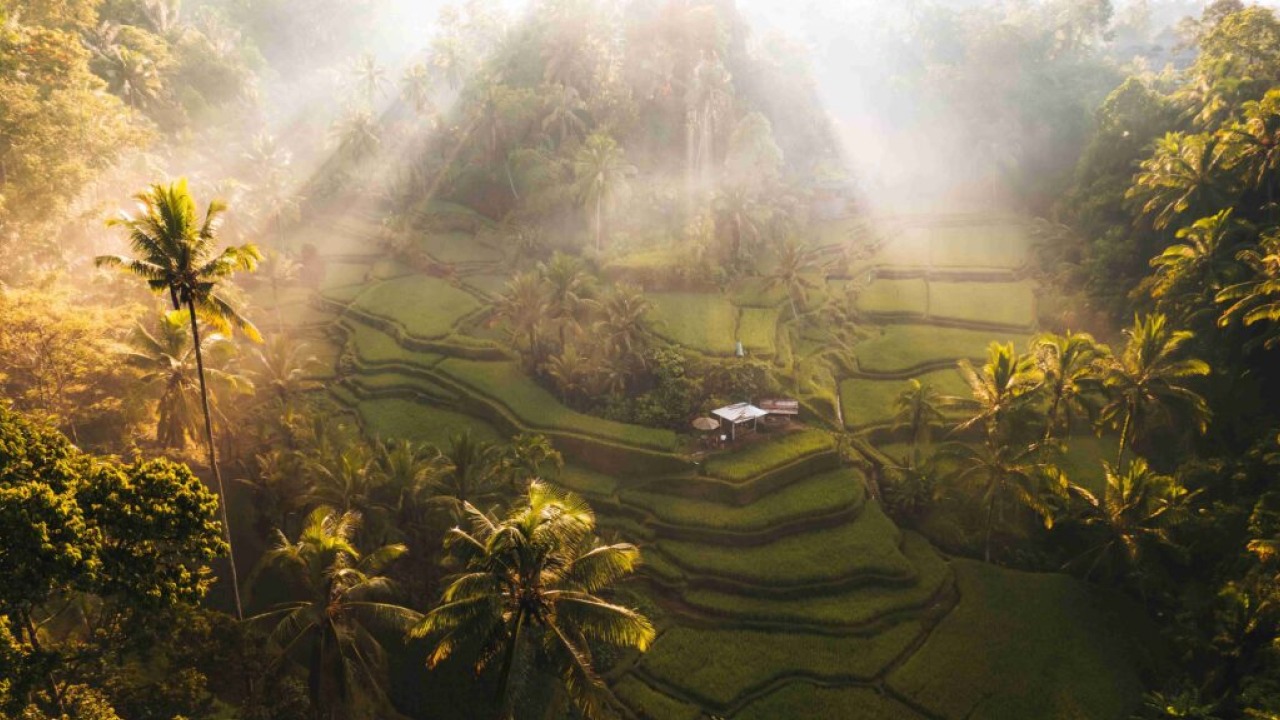
The rice fields of Ubud offer a peaceful escape into Bali's rural beauty. Whether you're after a morning walk, iconic photos, or a deeper connection to local culture, here are the best rice field experiences in Ubud.
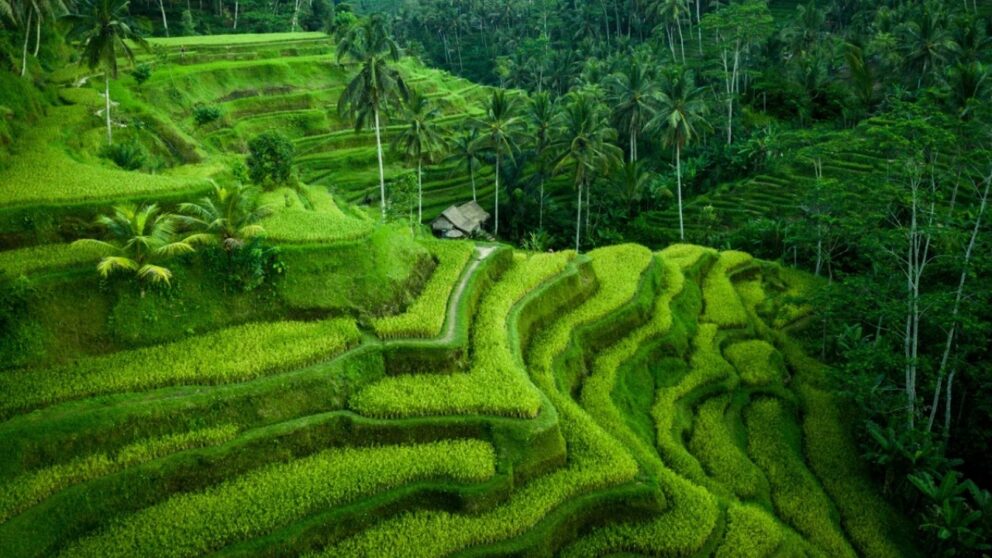
There's something photographs can't quite capture about standing in actual rice terraces. The way morning mist clings to valleys and makes everything feel suspended in time. Water trickling through centuries-old irrigation channels that still work perfectly. The smell of wet earth and growing things. Farmers in conical hats moving through fields at dawn, planting seedlings the same way their grandparents did.
The rice fields in Ubud aren't just scenery to check off your list; they're living agricultural systems that have sustained communities for over a thousand years.
Why Ubud's Rice Fields Actually Matter
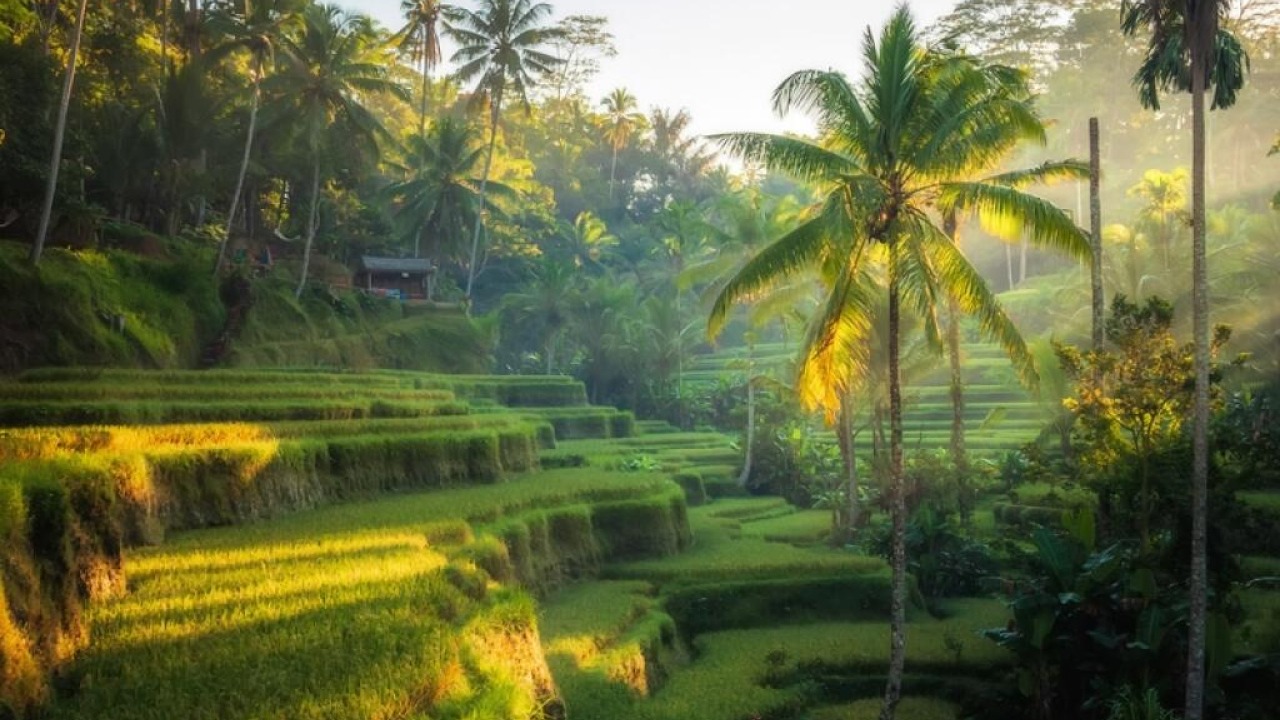
Ubud's rice terraces are part of Bali's Subak irrigation system, a UNESCO-listed cooperative water management tradition dating back to the 9th century.
Subak isn't just a fancy word for farming. It's an entire philosophical system where farmers work together to distribute water fairly through complex irrigation networks, guided by water temples. Everyone shares responsibility. It's worked for a millennium, which is longer than most modern governments have existed.
The terraces blend nature, agriculture, and spirituality in ways that feel increasingly rare. Small temples dot the fields, marking water sources and honoring Dewi Sri, the rice goddess. The layered green terraces cascading down hillsides create landscapes that feel both meticulously engineered and completely organic.
They're surprisingly accessible from Ubud town center too. Some within walking distance, others requiring short drives. Ideal for early morning walks, cycling if you're confident on Balinese roads, yoga sessions with valley views, and photography that captures something essential about Bali beyond the beach club aesthetic everyone posts.
Where to Actually Find the Best Rice Fields in Ubud
Quick comparison
| Location | Vibe | Best Time to Visit | Highlights | Best For |
| Tegalalang Rice Terrace | Iconic, lively | Early morning | Layered terraces, swings, cafes | First-timers, photos |
| Campuhan Ridge Walk | Scenic, breezy | Sunrise / sunset | Hills + rice field views | Walkers, casual explorers |
| Kajeng Rice Fields Walk | Hidden, local | Morning / late afternoon | Peaceful path, local life | Quiet escapes, repeat visitors |
| Penestanan Rice Fields | Raw, untouched | Sunrise | Mt. Agung backdrop, rural feel | Photographers, off-the-beaten-path |
| Sari Organic Walk | Quiet, rural | Early morning to late afternoon | Café stops with ricefield views | Easy nature walks with cafe options |
Tegalalang
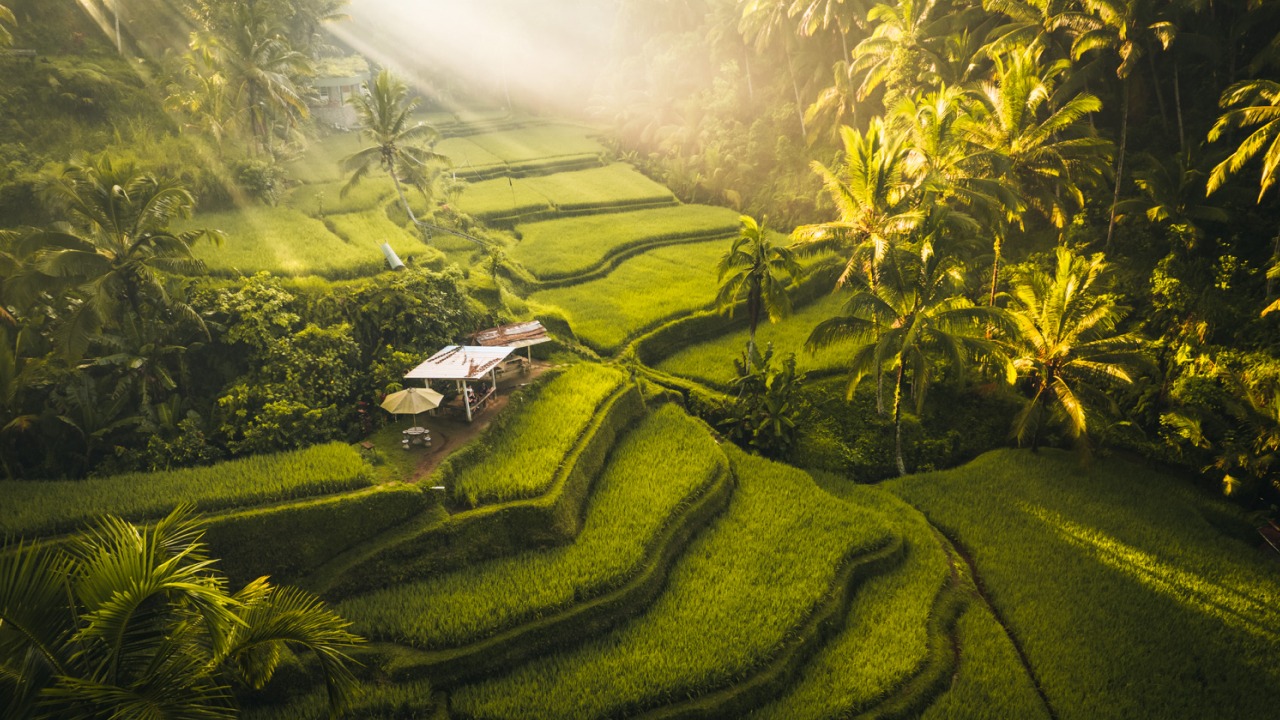
Tegalalang Rice Terrace is the most Instagrammed rice field in Ubud. You've probably seen it. Dramatic terraced slopes, those jungle swing photo ops that look terrifying but are apparently safe, and cafes positioned for maximum view appeal.
Entry fee is around 20,000 IDR ($1.50 USD), which is reasonable. The path winds through multiple levels of terraces with vendors selling cold drinks, sarongs, and photo opportunities with props. Yes, it's commercialized. Yes, you'll share the experience with dozens of other tourists taking the exact same photos. But here's the thing—the terraces themselves remain genuinely beautiful, especially if you arrive early morning before tour groups descend.
Go at 7 AM for the best experience. Otherwise, expect crowds to arrive in late mornings.
View on Google maps (12 minutes from Abisena Wellness & Resort)
Campuhan Ridge Walk
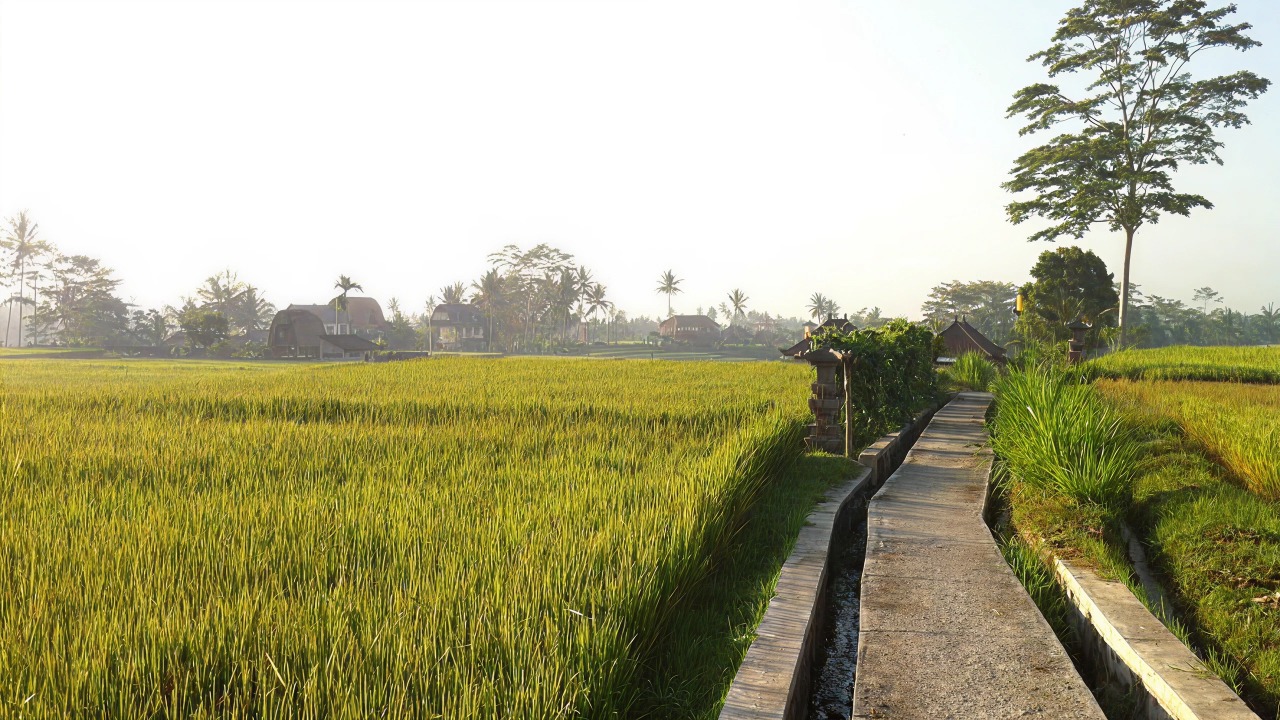
The Campuhan Ridge Walk offers something different: a 2-kilometer paved path combining jungle and rice field views without entry fees or vendor pressure. Start near Ibah Hotel, follow the ridge through rolling hills, return the same way or loop through villages if you're feeling adventurous.
The rice fields in Ubud along this walk are less dramatic than Tegalalang but feel more authentic. You'll see the full agricultural cycle if you return multiple times, from flooded fields reflecting sky, bright green new growth, to golden mature rice ready for harvest.
View on Google maps (16 minutes from Abisena Wellness & Resort)
Kajeng Rice Field
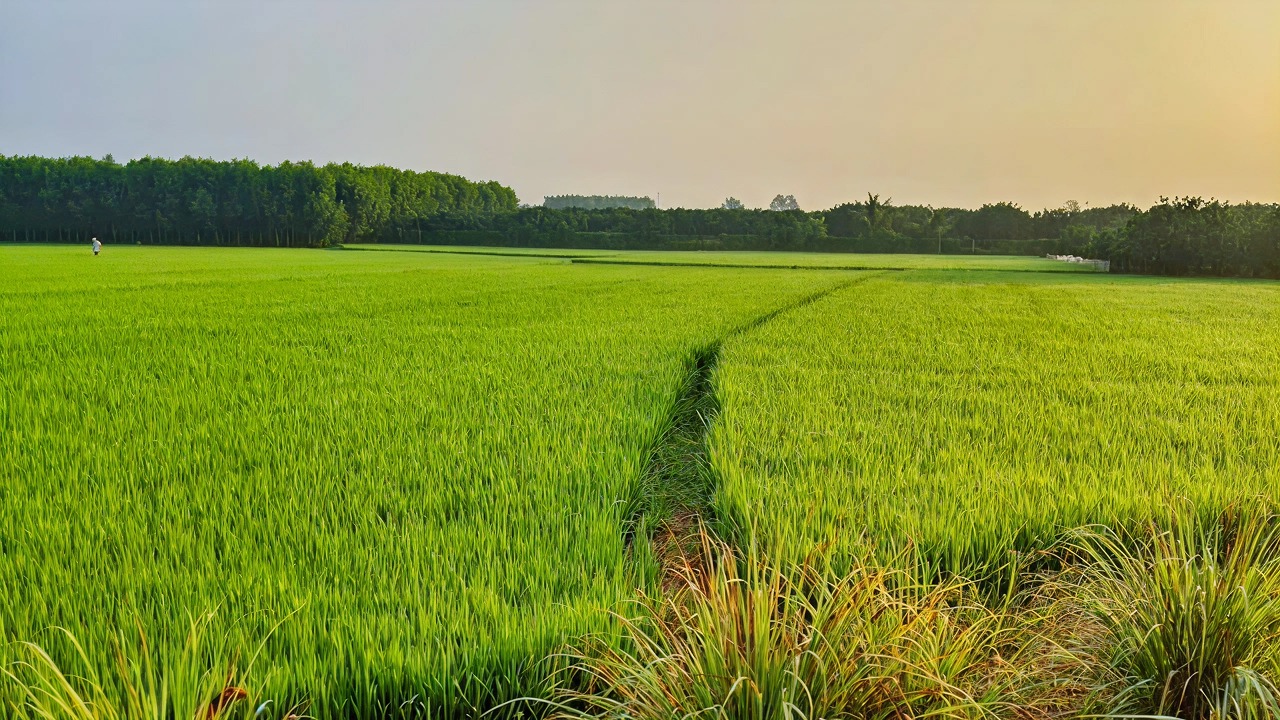
The Kajeng Rice Field Walk starts behind Jalan Kajeng near Ubud Palace, winding through peaceful paddies and small villages. It's uncrowded even during peak season, less commercial, passing by family-run warungs and private villas rather than tourist infrastructure.
View on Google maps (23 minutes from Abisena Wellness & Resort)
Penestanan Rice Field
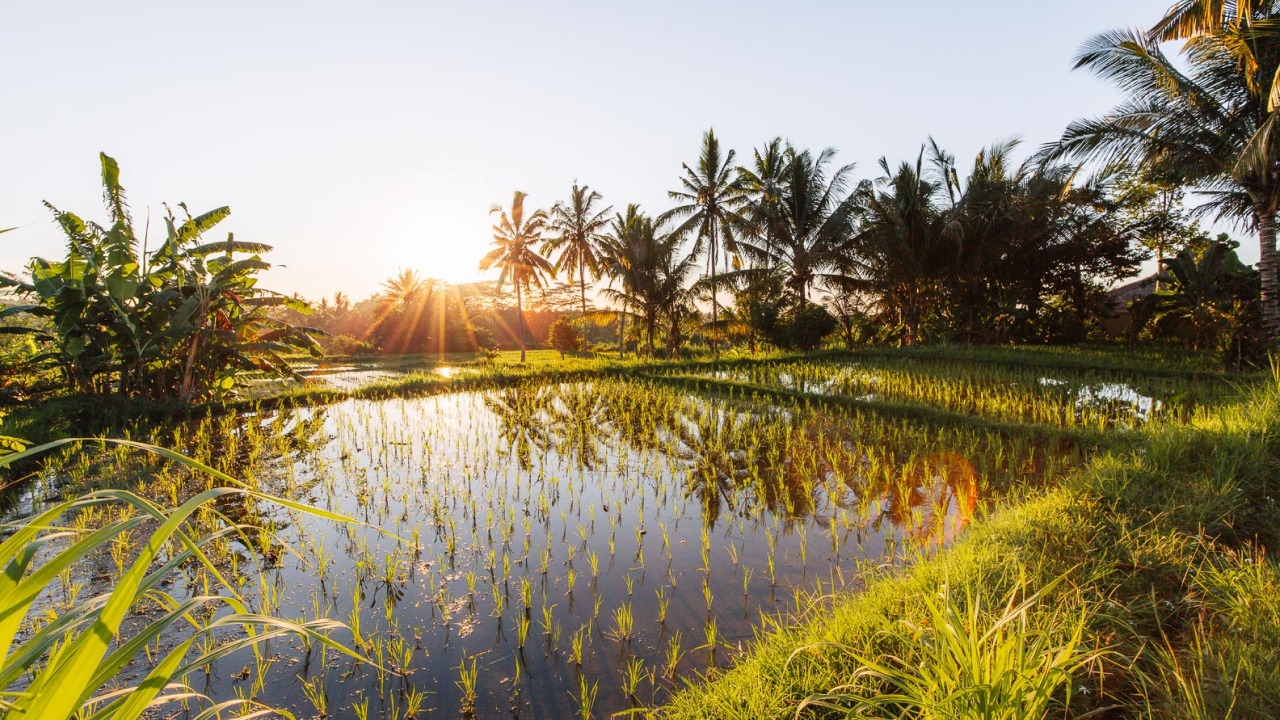
Unlike the highly-posted Campuhan Ridge, this route feels intimate and local. Narrow concrete paths weave between lush green paddies, small artist studios, and tucked-away villas. In the early morning, you’ll pass farmers tending to the fields, while the late afternoon light casts a golden glow across the terraces.
Embrace the art of wandering here. You might stumble upon the Penestanan stairs for a quick rest and photo opportunity!
View on Google maps (23 minutes from Abisena Wellness & Resort)
Sari Organic Walk
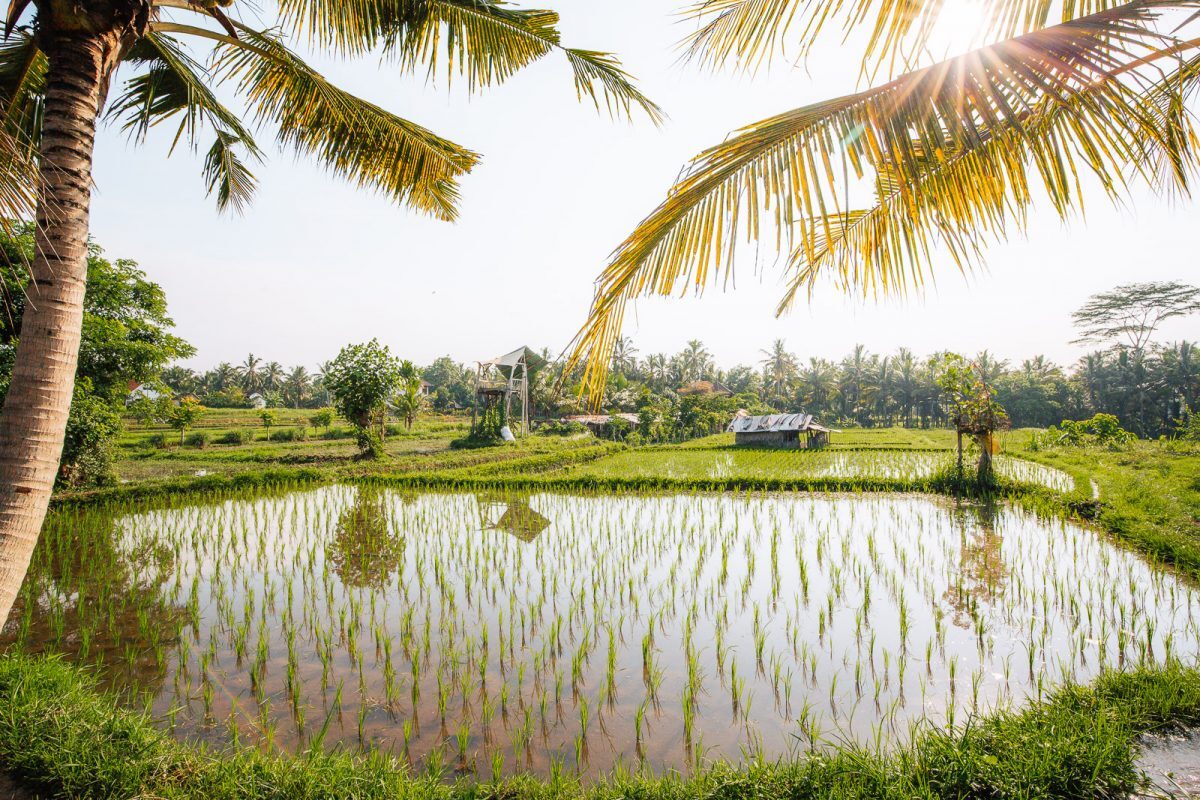
Just 10 minutes from the Ubud Art Market, you’ll find the Sari Organic Walk an easy, scenic trail that runs almost parallel to the Campuhan Ridge Walk. Named after the well-known Sari Organik, the path winds through rice fields, small warungs, and quiet village corners that feel a world away from central Ubud.
The trail is mostly flat and beginner-friendly, making it ideal for a slow stroll rather than a workout.
View on Google maps (20 minutes from Abisena Wellness & Resort)
When to Visit (Timing Matters More Than You Think)
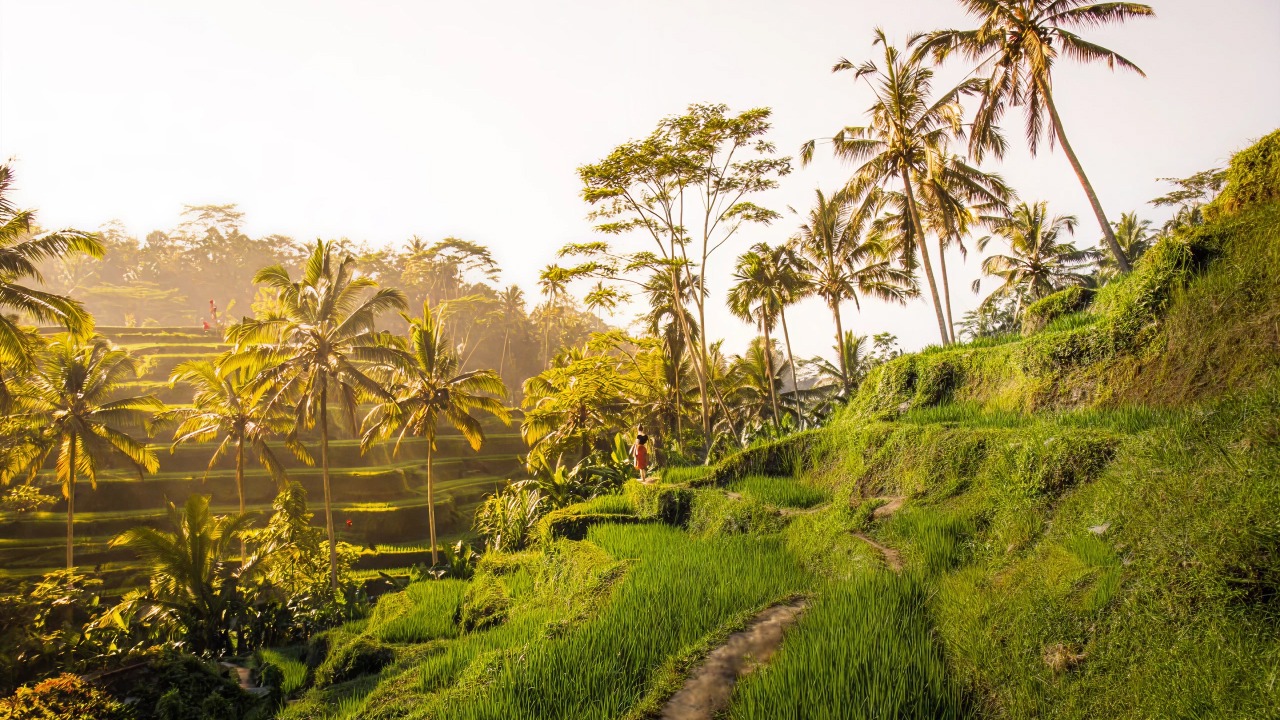
Early morning (6-8 AM) is when rice fields reveal their magic. Cool temperatures before heat sets in. Soft light that makes everything glow. Mist still clinging to valleys. Farmers beginning work. Few tourists. This is peak rice field experience.
Golden hour (4-6 PM) delivers rich light, dramatic shadows, warm colors that photographers obsess over. Temperatures drop slightly. More tourists than morning but manageable at less popular spots.
Avoid mid-day (11 AM-3 PM) unless the weather looks promising. Heat and humidity often make walking miserable. Even the rice looks tired.
Rain season (November-March) brings afternoon downpours and muddy paths, but also the greenest, most vibrant fields. It's a trade-off. Come during growing season if you want that intense green; come during dry season if you want reliable weather.
What You Actually Need
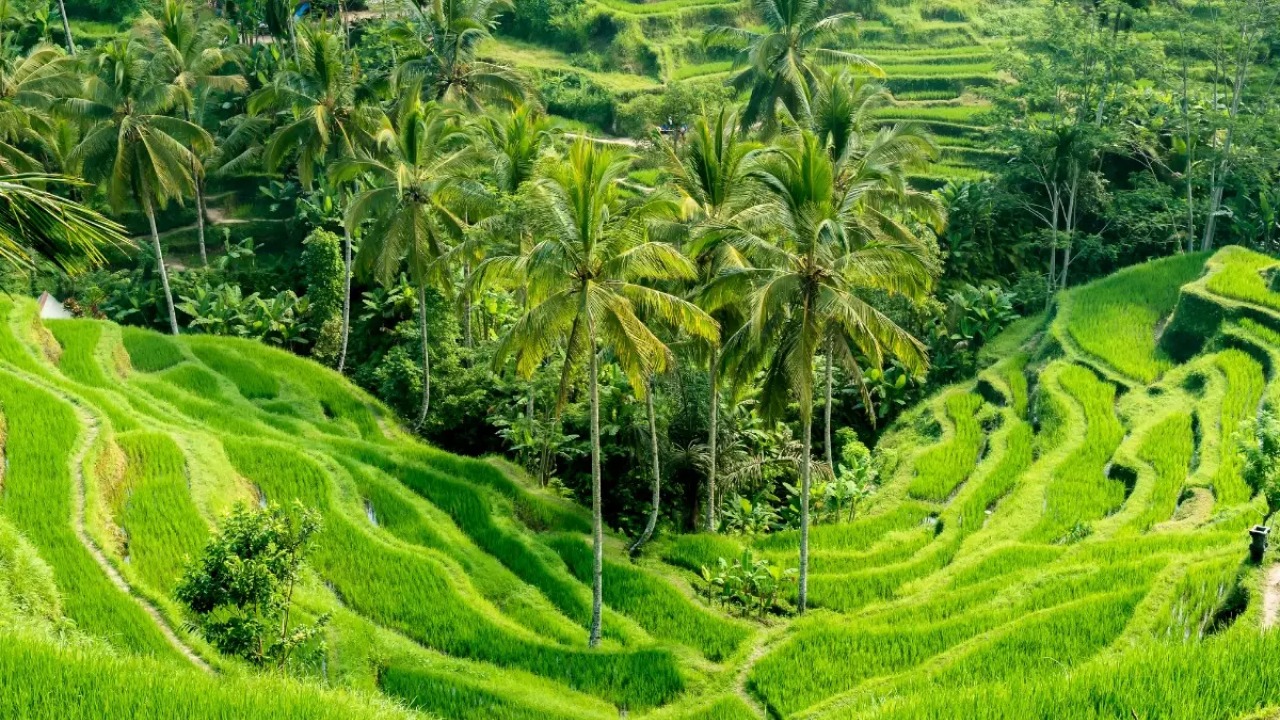
Bring water. Seriously, bring more water than you think you need. Dehydration sneaks up fast in Bali's humidity.
Wear proper walking shoes or sturdy sandals with grip—flip-flops are fine for the beach, terrible for rice field paths. A sun hat saves you from regret later. Camera or phone with stabilizer if you're serious about video.
Light shawl or sarong if you're passing temples (you probably will be). Sunscreen that doesn't destroy coral reefs. Small backpack. Cash for entry fees where applicable.
Skip the fancy outfit for photos. You'll be sweating within fifteen minutes and potentially navigating muddy paths. Wear what's comfortable and dries quickly.
How Be A Respectful Tourist in Bali
Rice fields are working agricultural spaces, not theme parks. Respect matters. Stick to paths and bunds (the raised edges between fields).
Farmers working the fields aren't performers. If you want to photograph them, ask permission. "Boleh foto?" works, or just gesture politely. Most will smile and agree, but asking shows basic respect.
Don't fly drones without checking local rules. Many areas prohibit them. Even where allowed, be aware drones disturb farmers and other visitors seeking quiet.
Small temples and daily offerings appear throughout rice fields. Don't step on offerings. Don't move them for better photos. Don't enter temple grounds unless clearly permitted.
FAQ: Questions People Actually Ask
Is Tegalalang free?
No, entry fees around 20,000 IDR plus extra for swings and photo spots. Budget 50,000-100,000 IDR total if you want the full experience.
Can I walk rice fields alone?
Yes for most spots. Campuhan Ridge, Kajeng Walk, and Sari Organik path are all self-guided. Guides can provide cultural context if you want it, but they're not necessary.
Are rice fields always green?
No. There are different seasons that will affect your rice-field viewing. For the greenest rice fields, go around March-April and September-October. Golden, pre-harvest rice fields usually happen around May-July to late October. The planting season is usually around December through February, during peak wet season.
Do I need a guide?
Not necessarily. These walks can be explored independently in one morning. Consider a guide if these destinations are a part of a larger Ubud tour so you can also get insights on the Balinese agriculture.
How long should I spend?
Budget around one or two hours on these walks. You can go for a light stroll with several photo sessions, or a serious jogging back and forth. The sights will definitely have you pausing for a moment.
Are rice fields wheelchair accessible?
Unfortunately no. Paths are uneven, narrow, often muddy and unpaved with steps and steep sections. Rice fields in Ubud aren't designed for wheelchair access.
Best rice field for avoiding crowds?
Kajeng Rice Field Walk on weekdays, or stay at Abisena Wellness and Resort Ubud where rice fields are your private environment.
Abisena Wellness and Resort: The Immersion Experience
After spending a day of exploring the beautiful rice fields of Ubud, why not extend your journey through serenity at Abisena Wellness and Resort!
Our Dirasha Wellness programs include sound healing, breathwork, and traditional Balinese purification rituals—all with lush backdrops that somehow make everything feel more grounded.