

Your Guide To Best Cultural Experiences in Ubud For Unique Trip To Bali
Published On 22 August, 2026, Categories Travel Guides
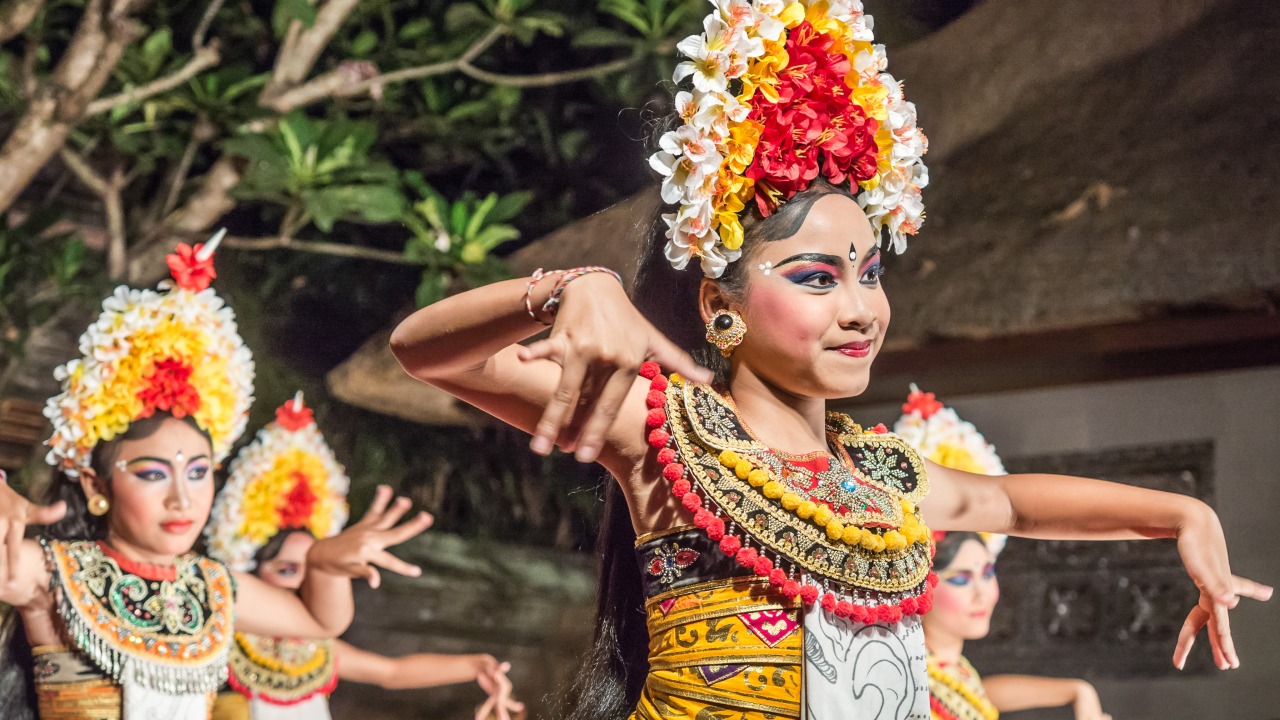
Ubud has been Bali's cultural and artistic center since the early 20th century, when the local royal family began inviting foreign artists to live and work in the area, establishing a creative exchange that continues to define the town. Today, that legacy shows up in a genuinely wide range of cultural experiences: evening dance performances rooted in Hindu epics, hands-on workshops in cooking, silver, batik, and offering-making, museums housing decades of Balinese painting, and temples that remain active places of worship rather than static monuments.
The strongest cultural experiences in Ubud share one quality; they involve participation rather than observation. A dance performance is closer to passive sightseeing, but even that comes with context and atmosphere that a photograph cannot capture. A cooking class, a silver workshop, or an offering-making session puts you inside the practice rather than alongside it. This guide covers the best options across both categories, how to choose between them, and how to approach them respectfully.
Quick Comparison of Ubud Cultural Experiences
| Cultural Experience | Best For | What to Expect |
| Balinese dance performance | First-time visitors, couples, families | Evening show, costumes, music, Ramayana-based stories |
| Cooking class | Food lovers, families, couples | Market tour, spice introduction, hands-on cooking, shared meal |
| Silver jewellery workshop | Creative travellers, couples | Make your own ring, pendant, or bracelet under instruction |
| Batik or painting class | Art lovers, rainy days | Traditional pattern technique, finished artwork to take home |
| Temple visit | Culture, photography, first-timers | Sarong and sash required, architecture, active worship etiquette |
| Offering-making class | Deeper cultural learning | Canang sari construction, symbolism, daily ritual context |
| Museum or gallery visit | Art and history lovers | Balinese painting, sculpture, and cultural context |
Ubud's cultural institutions reflect this range directly. ARMA (Agung Rai Museum of Art) lists workshops including wood carving, cooking classes, batik, offering-making, daily dance performances, and cultural lectures; a single institution covering most of the categories above.
Best Cultural Experiences in Ubud
Watch a Traditional Balinese Dance Performance
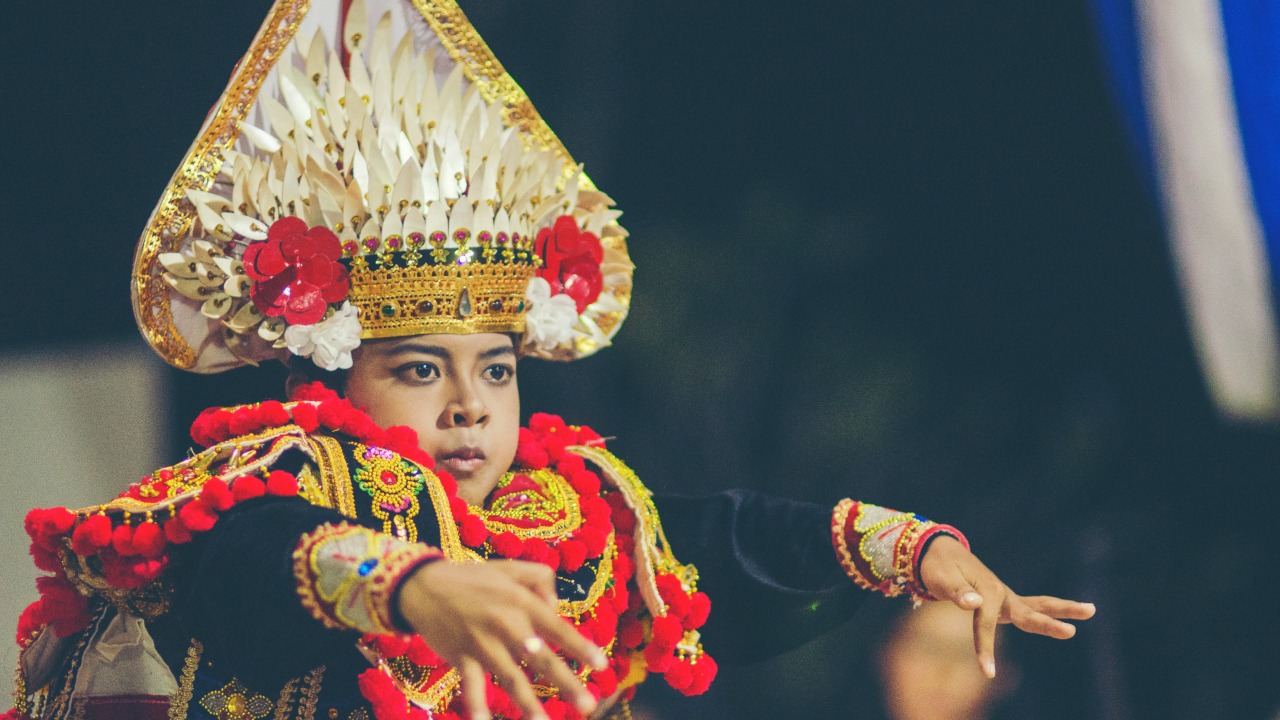
A Balinese dance performance is the most accessible cultural experience in Ubud and the one most travel guides recommend for a first evening in town. The most commonly performed pieces are Kecak, a percussive chant-and-movement performance often telling episodes from the Ramayana; Legong, a refined court dance performed by young women in elaborate gold costumes; and Barong, which dramatizes the conflict between the protective lion-like Barong figure and the witch Rangda.
Performances typically run in the evening, often starting around 7:30 PM, and take place in a range of settings; palace courtyards, temple stages, and dedicated cultural venues around central Ubud. Ubud Palace and the area around Saraswati Temple, sometimes referred to as Ubud Water Palace because of its lotus pond, are among the most commonly used venues.
For couples, pairing a dance performance with dinner at one of central Ubud's outdoor restaurants creates a natural evening structure; many restaurants along Jalan Raya Ubud and Monkey Forest Road are within a short walk of the main performance venues. For families with older children, the visual spectacle and live music tend to hold attention even when the narrative content is unfamiliar.
For a deeper look into Balinese dances in Ubud, read more here.
Join a Balinese Cooking Class
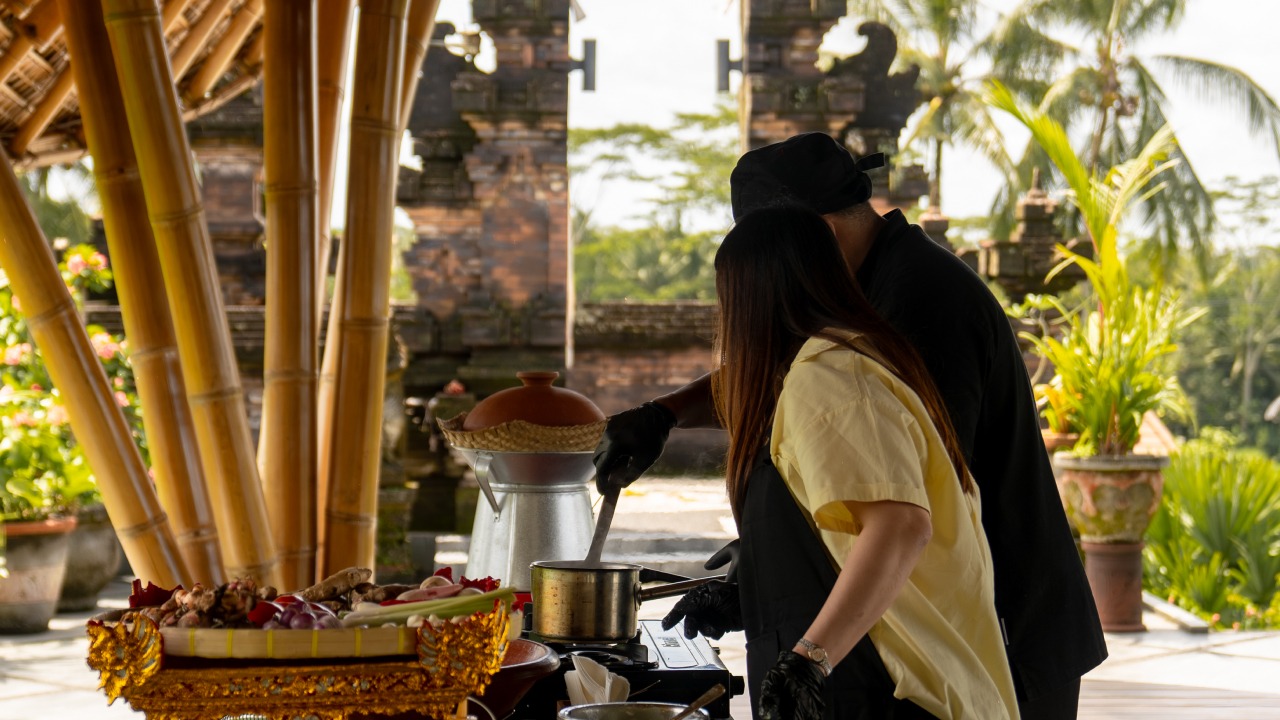
A cooking class is one of the most consistently rewarding hands-on cultural experiences in Ubud, and it works well across nearly every traveller type; food lovers, couples, families, and anyone looking for a satisfying rainy-day activity that does not depend on the weather cooperating.
The typical format begins with a morning visit to a local market, where participants are introduced to the ingredients that define Balinese cooking; lemongrass, galangal, turmeric, kaffir lime, shallots, and the chili varieties used in different dishes. From there, most classes move to a kitchen setting, often in a family compound or dedicated cooking school, where the first task is usually preparing base genep, the foundational spice paste that underlies a large portion of Balinese cuisine. From that base, participants typically prepare a selection of dishes; satay, gado-gado (vegetable salad with peanut sauce), nasi goreng (fried rice), tempeh preparations, and one or more curries.
The class concludes with a shared meal of everything prepared, which is often the most enjoyable part for groups and families; eating what you made, together, at a long table. Classes typically run 3 to 5 hours including the market visit, and most accommodate vegetarian, vegan, and other dietary requirements with advance notice.
Make Silver Jewellery
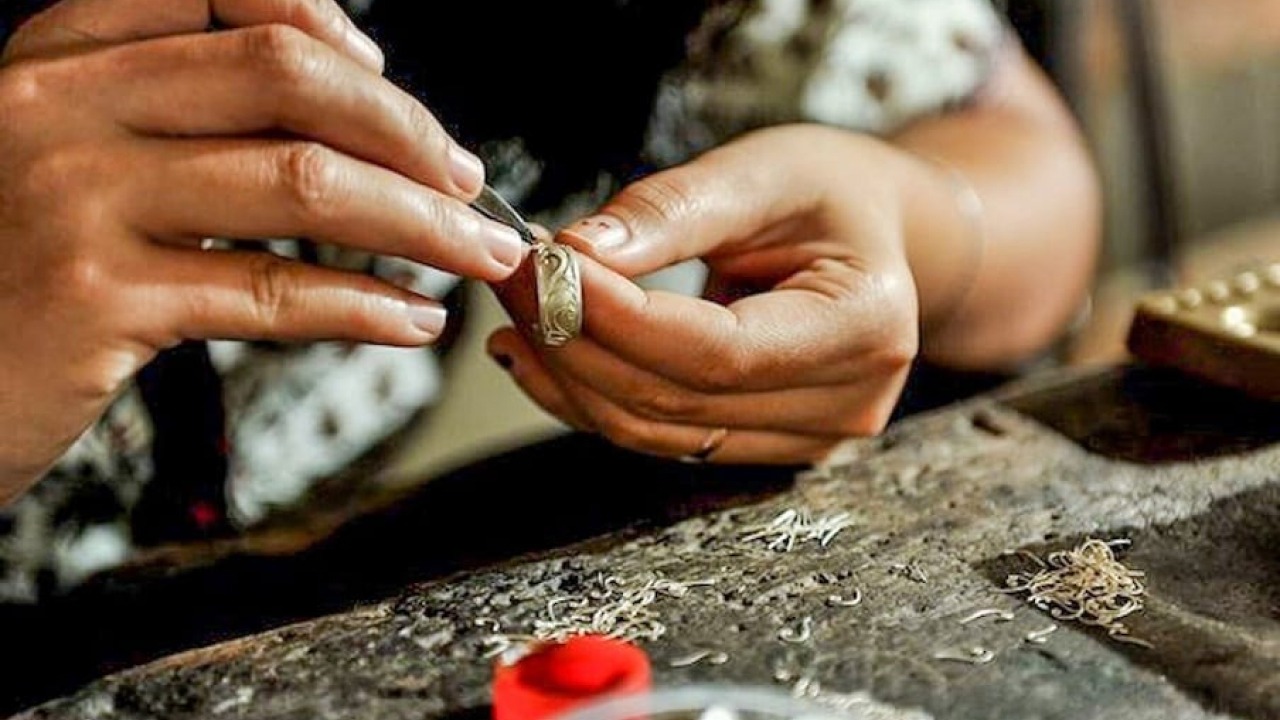
Silver jewellery workshops have become one of the more popular creative cultural activities around Ubud, particularly in the area near the Monkey Forest, where a number of silversmiths offer beginner-friendly sessions. The format is straightforward: under the guidance of an experienced silversmith, participants learn basic techniques; cutting, shaping, soldering, and polishing; and apply them to make a simple piece, typically a ring, pendant, or bracelet.
These sessions run roughly 2 to 3 hours and are genuinely accessible to complete beginners; no prior experience is expected, and the instruction is hands-on throughout. The appeal is straightforward too: at the end of the session, you leave with something you made yourself, which is a different kind of souvenir than anything purchased in a market.
One detail worth confirming before booking: how the pricing works. Some workshops include a set amount of silver in the listed price and charge extra per gram beyond that allowance; others include polishing and finishing as part of the base price while some treat it as an add-on. Confirming what is included; the silver itself, any extra material costs, polishing, and the final takeaway piece; avoids surprises at the end of the session.
Best Art and Craft Experiences in Ubud
Batik Painting Class
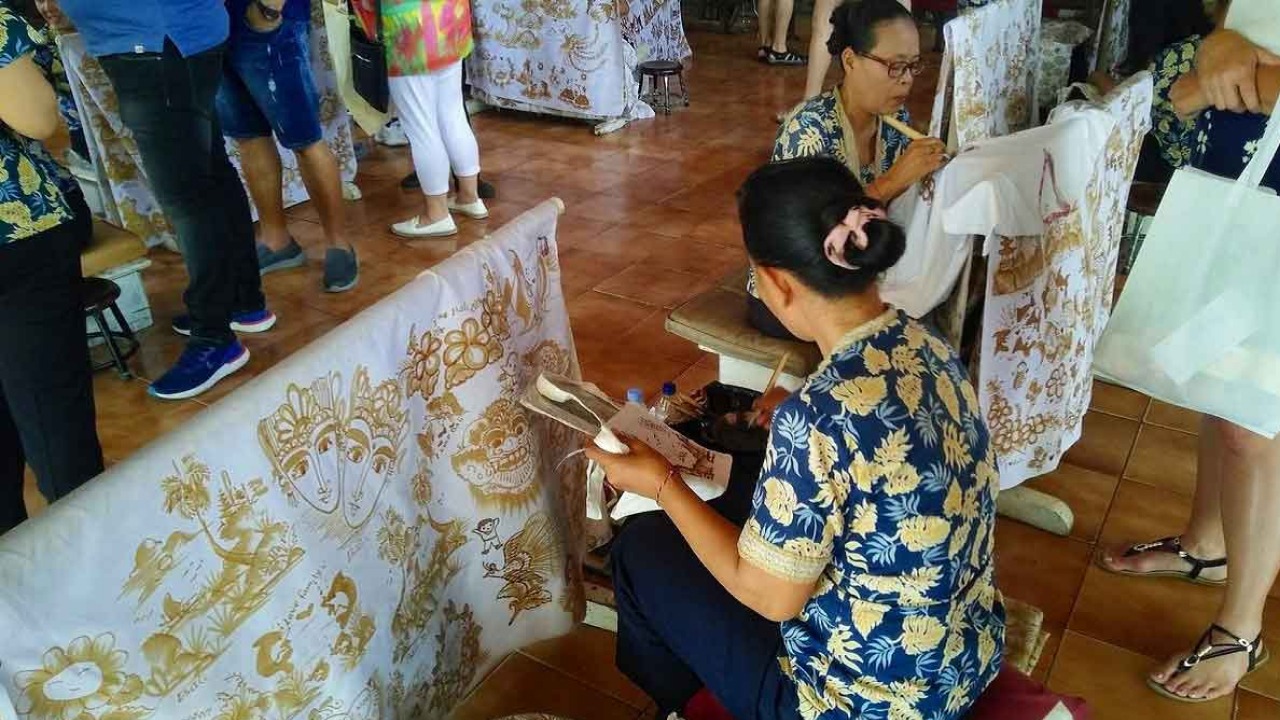
Batik is a traditional textile art using a wax-resist dyeing technique; wax is applied to fabric in a pattern, the fabric is dyed, and the wax-covered areas resist the dye, creating the design. A batik class in Ubud typically introduces the traditional patterns and their meanings before moving to a hands-on session where participants apply the technique themselves, usually on a smaller piece of fabric or paper.
This is a strong option for families, couples, and specifically for rainy days; the activity is entirely indoors, requires no prior skill, and produces a finished piece of artwork or cloth that participants take home. The pace is generally relaxed, making it suitable for a wide age range.
Wood Carving or Mask Painting
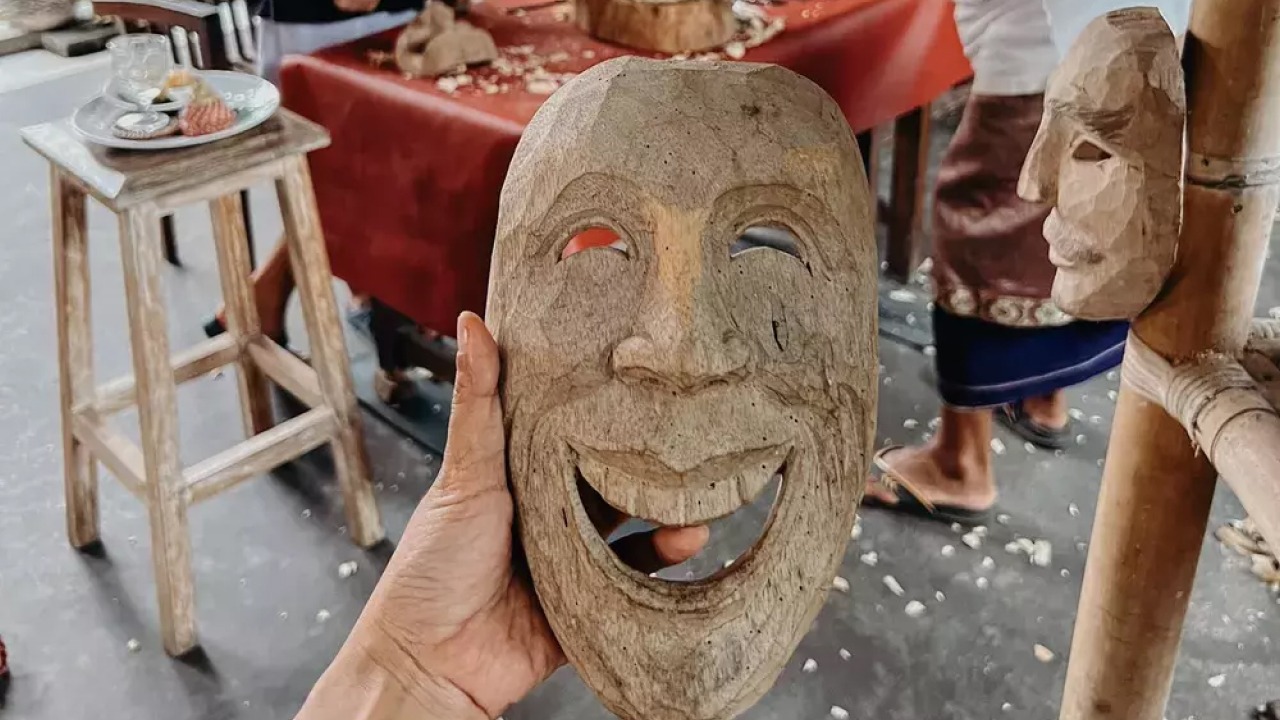
Wood carving is one of Bali's most established craft traditions, and Ubud has a number of workshops, often connected to artisan villages in the surrounding area, that offer short introductory sessions. Mask painting, sometimes offered as a standalone activity, involves decorating a pre-carved wooden mask using traditional Balinese motifs and color symbolism.
These activities suit travellers who want something more tactile than a dance performance but less involved than a multi-hour cooking class. The format works well as a standalone afternoon activity or combined with a visit to a wood carving village, where the craft can be seen in its working context before participants try it themselves.
Offering-Making Class
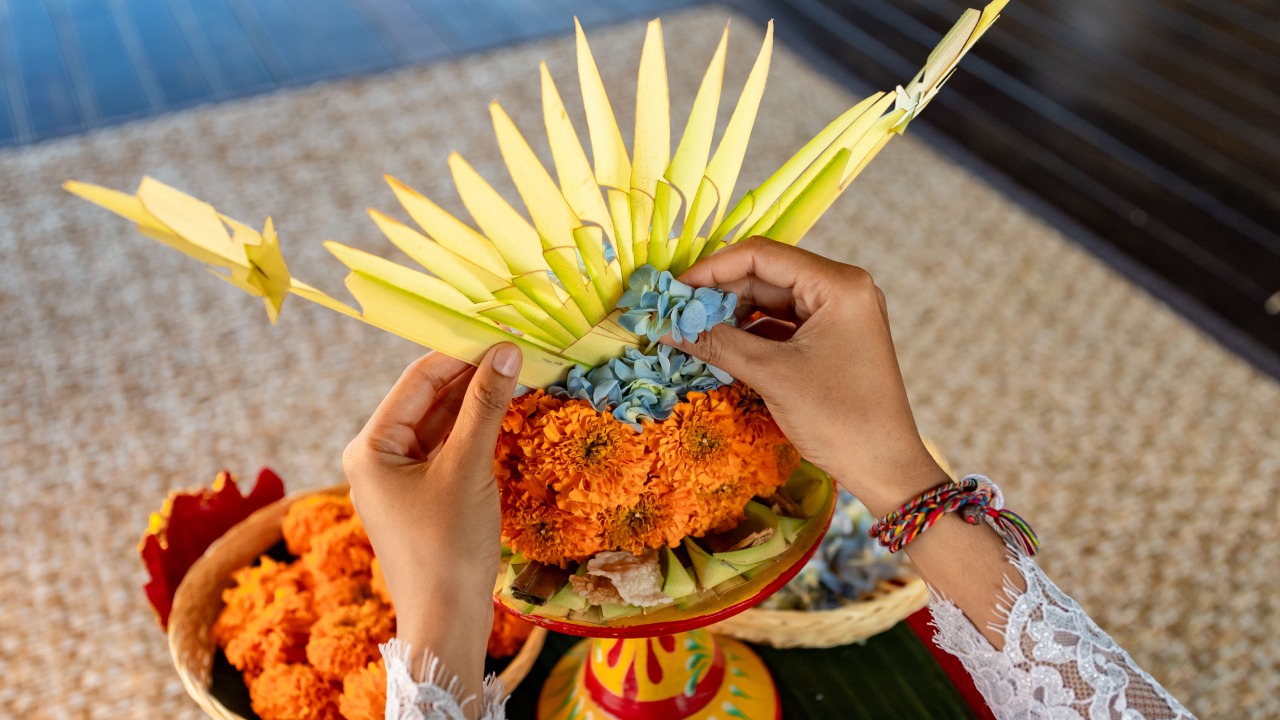
An offering-making class teaches participants to construct canang sari, the small daily offerings seen throughout Bali; woven palm-leaf trays filled with flowers, rice, incense, and other symbolic elements. This is among the most culturally substantive workshop options in Ubud, because it connects directly to a practice that Balinese Hindus perform every day, rather than a craft that exists primarily for visitors.
The class typically covers the materials used, the symbolism behind flower placement and color, and the broader context of daily ritual in Balinese Hindu life. Because this practice carries genuine religious significance, respectful participation matters; treating the session as a sincere attempt to understand rather than simply a craft activity changes the experience considerably. ARMA is among the institutions that include offering-making as part of its regular workshop programming, alongside batik, wood carving, and cooking classes.
Best Temples, Markets, and Cultural Spots in Ubud
Ubud Palace, located at the central junction of Jalan Raya Ubud and Jalan Suweta, is both a historical royal residence and an active performance venue; visiting during the day offers a sense of the architecture, while an evening visit may coincide with a dance performance. Entry to the palace grounds is generally free or low-cost during the day.
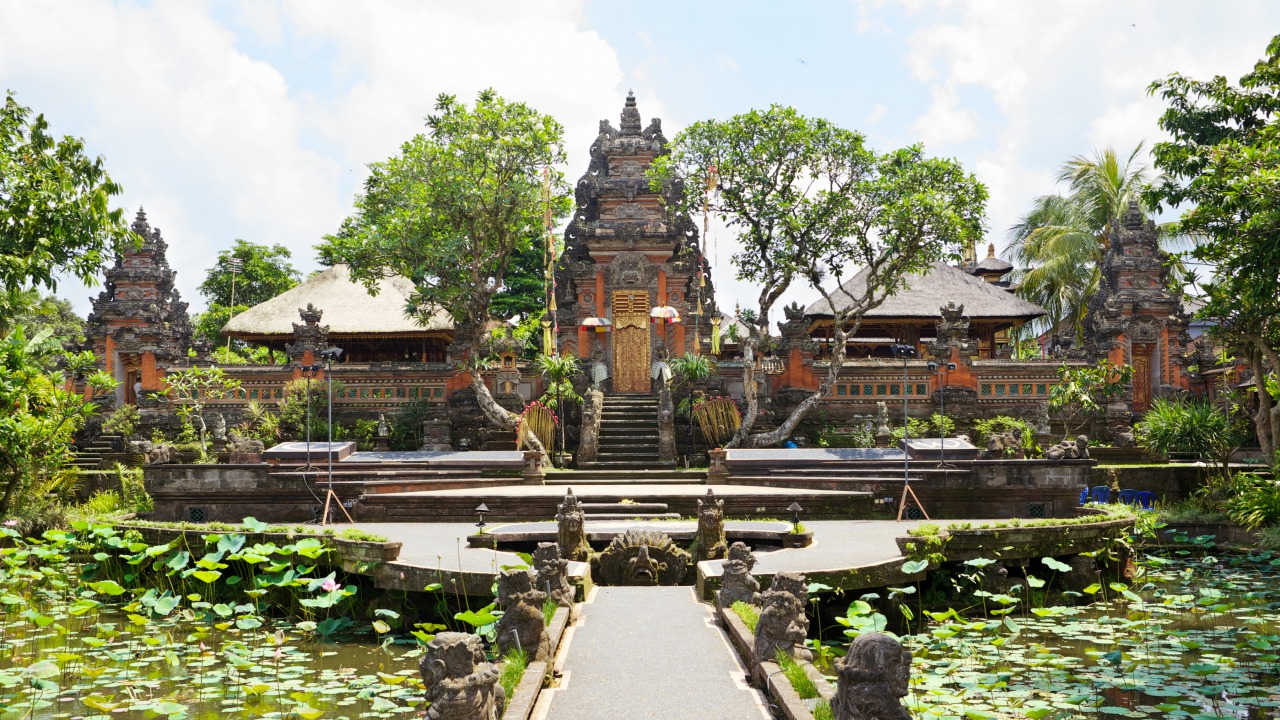
Saraswati Temple, often called Ubud Water Palace for its lotus pond, sits a short walk from the palace and is one of the most photographed sites in central Ubud, particularly in the early morning when the light crosses the pond and the temple's carved gateway. As an active temple, a sarong and sash are required for entry to certain areas, and visitors should be mindful around any ongoing ceremonies.
Ubud Art Market, directly across from Ubud Palace, is best visited in the morning for the widest selection and the most energy; it is a shopping and browsing experience more than a quiet cultural stop, and bargaining is expected.
Pura Gunung Lebah, located near the start of the Campuhan Ridge Walk where two rivers meet, is a quieter temple with a strong natural setting; a good stop for visitors who want temple architecture without the crowds of the more central sites.
For art and history, three museums anchor Ubud's gallery scene. ARMA (Agung Rai Museum of Art) combines a permanent collection of Balinese and Indonesian painting with the workshop programming described above, making it useful for both art history and hands-on activities in a single visit. Neka Art Museum offers one of the more comprehensive overviews of Balinese painting styles across different periods and regional schools. Museum Puri Lukisan, located in central Ubud, focuses on the development of modern Balinese painting and is one of the oldest art museums on the island. All three charge a modest entry fee and are best visited during the day for proper lighting in the galleries.
For a deeper dive, a guided visit to a traditional artisan village; commonly focused on wood carving, stone carving, or silver; gives context to crafts that might otherwise be encountered only in shop form, showing the working process behind the finished pieces sold throughout Ubud.
How to Choose the Right Cultural Experience
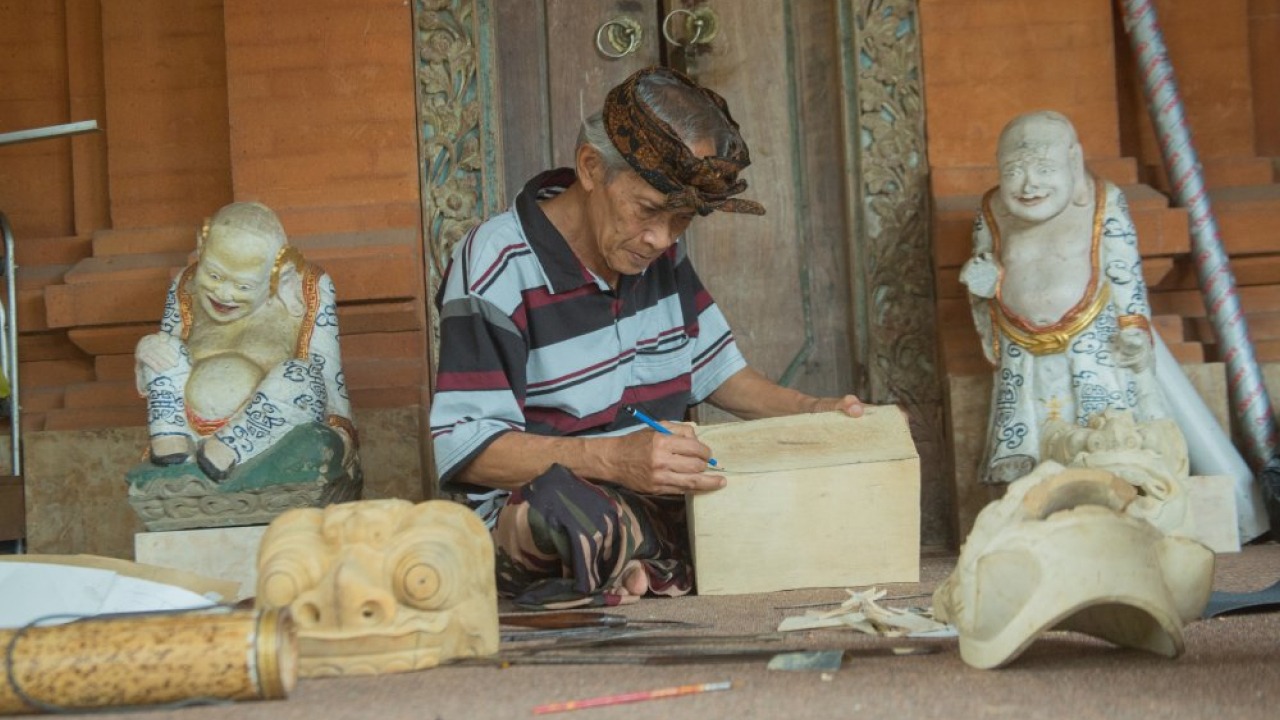
Cultural does not always mean passive sightseeing. Ubud's strongest cultural experiences are often workshops, performances, and guided activities rather than simply visiting a site and moving on.
Choose a dance performance for an easy evening activity that requires no preparation and pairs naturally with dinner. Choose a cooking class for a combination of food, hands-on learning, and a shared meal that works well for groups and families. Choose a silver or batik workshop if you want a creative souvenir made with your own hands rather than purchased. Choose a temple visit or an offering-making class for spiritual and religious context, approached with appropriate respect. Choose a museum or gallery visit if your interest leans toward art history and wants quieter, self-paced viewing. Choose a private guide for any of the above if you want deeper explanation, particularly for temples, village visits, or anything involving active religious practice.
Responsible Cultural Travel Tips in Ubud
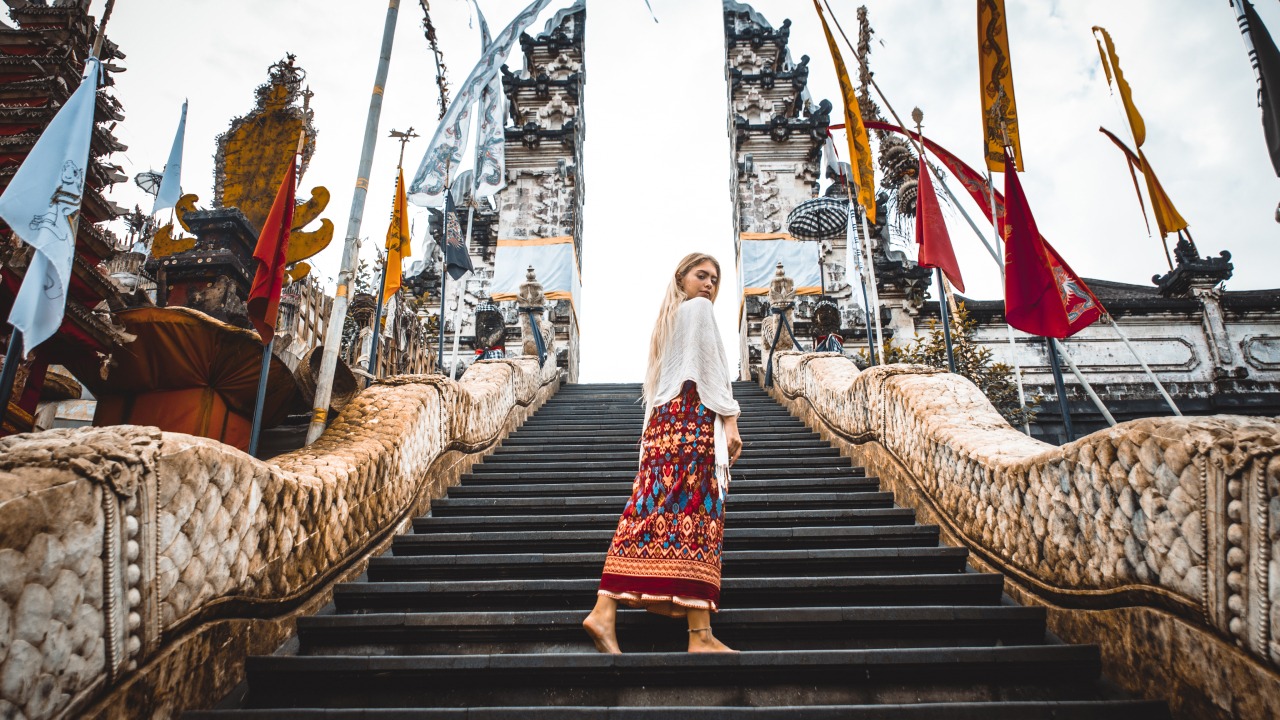
Wear a sarong and sash when visiting temples, and cover your shoulders where required; many temples provide sarongs for rent or loan at the entrance if you arrive without one. Ask before taking photos during any active ceremony, and never move offerings or religious items to improve a photograph. Do not interrupt prayers, and be mindful of your position relative to people actively worshipping.
Avoid treating sacred rituals as photo opportunities detached from their meaning; a ceremony in progress is not a performance staged for visitors, even if visitors are welcome to observe respectfully. Use local guides for spiritual or village-based experiences where context matters; a guide can explain what is happening and what is appropriate in a way that self-guided visits cannot.
Support artisan-led workshops and local cultural institutions where the people teaching are practitioners of the craft themselves, rather than generic tourist-oriented operations. Before booking any workshop, check whether the session is genuinely hands-on or primarily a demonstration with limited participant involvement; the difference matters significantly for the kind of experience you will have.
Cultural Experience At Abisena Wellness and Resort Ubud
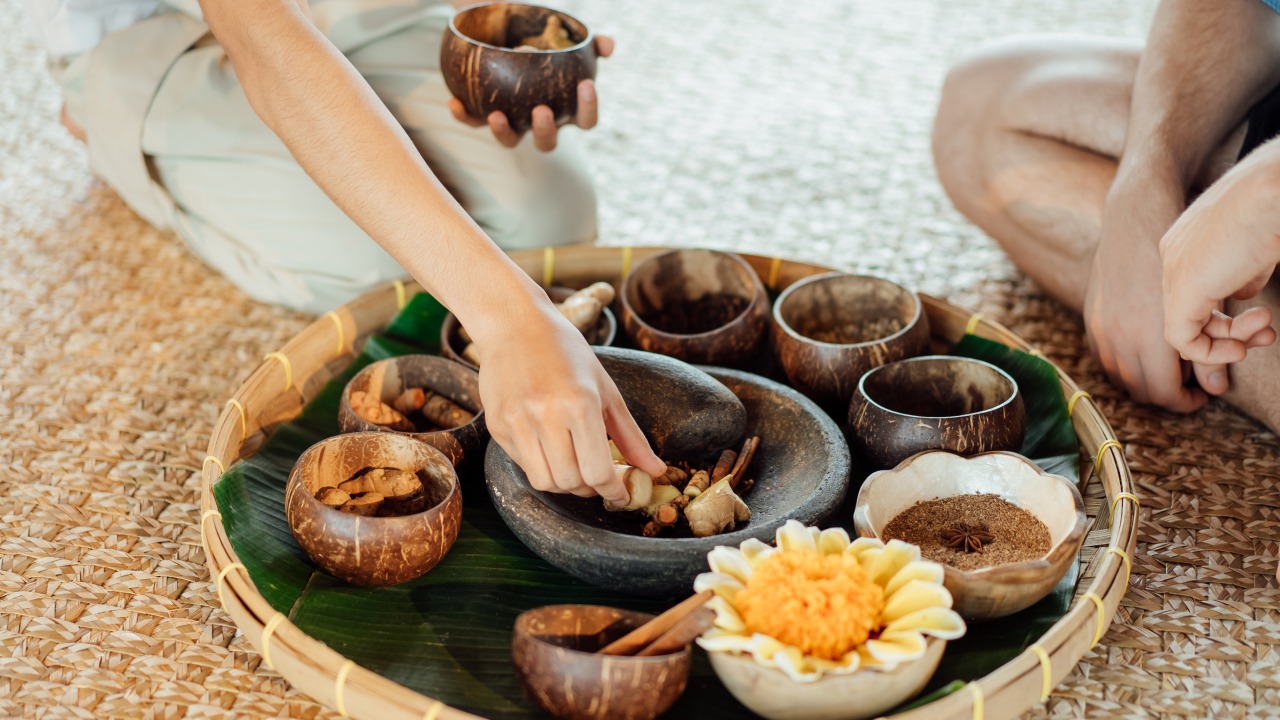
Abisena Wellness and Resort Ubud proudly redefines the beauty of heritage in every offering, from world-class hospitality to curated cultural activities designed to introduce guests to the true spirit of Ubud. Be it Canang Rebong making and authentic Balinese cooking, to an immersive soul-stirring retreat that carries on traditional methods of holistic healing.
Plan your stay as you book our experiences to complete your Ubud escape today.
FAQ
What are the best cultural experiences in Ubud?
The best cultural experiences in Ubud include Balinese dance performances (Kecak, Legong, and Barong), cooking classes with market visits, silver jewellery workshops, batik painting classes, temple visits to sites like Saraswati Temple and Ubud Palace, offering-making classes, visits to art museums including ARMA, Neka, and Museum Puri Lukisan, and guided visits to traditional artisan villages.
Is Ubud good for culture?
Yes. Ubud has functioned as Bali's arts and culture center since the early 20th century, and it remains one of the island's strongest cultural areas. The combination of active temples, daily dance performances, established art museums, working artisan traditions, and hands-on workshops gives Ubud a depth of cultural offering that few other areas in Bali match.
What cultural experience in Ubud is best for first-time visitors?
A traditional dance performance, a visit to Ubud Palace or Saraswati Temple, a walk through Ubud Art Market, and a Balinese cooking class together cover the most accessible and rewarding introduction to Ubud's culture for someone with limited time.
What is the best hands-on cultural activity in Ubud?
Cooking classes, silver jewellery workshops, batik painting, wood carving, and offering-making classes are among the strongest hands-on options. Cooking classes work particularly well for groups and families because they end in a shared meal; silver and batik workshops produce a take-home item; and offering-making provides the deepest connection to daily Balinese religious practice.
Are Ubud cultural experiences good for kids?
Yes, particularly cooking classes, batik painting, simple craft workshops, dance performances, market visits, and shorter temple stops. For younger children, choosing shorter and more interactive formats, rather than longer workshops or extended temple visits, tends to work best.
What should I wear for cultural activities in Ubud?
Comfortable, modest clothing is appropriate for most activities. For temple visits, a sarong and sash are required, and shoulders should be covered where indicated; many temples have sarongs available to rent or borrow at the entrance for visitors who arrive without one.
Can I watch Balinese dance in Ubud?
Yes. Ubud has frequent evening Balinese dance performances, typically starting around 7:30 PM, held in palace courtyards, temple settings, and dedicated cultural venues around central Ubud. Schedules vary by venue and season, so checking the current schedule locally, through your accommodation or at the venue itself, is recommended before planning an evening around a specific performance.