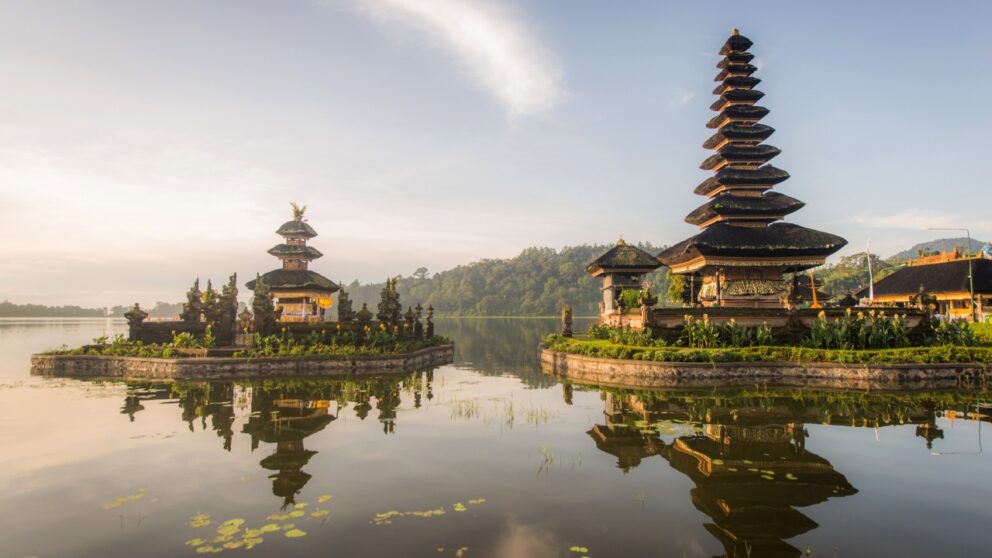
Bali is far from the 2026 global tensions. Indonesia’s "free and active" policy keeps the island neutral, meaning daily life for travelers hasn't shifted. Geography is the biggest safety factor here, and active conflict zones are thousands of miles away. Stick to normal travel common sense the tourism scene is as steady as ever for international arrivals.
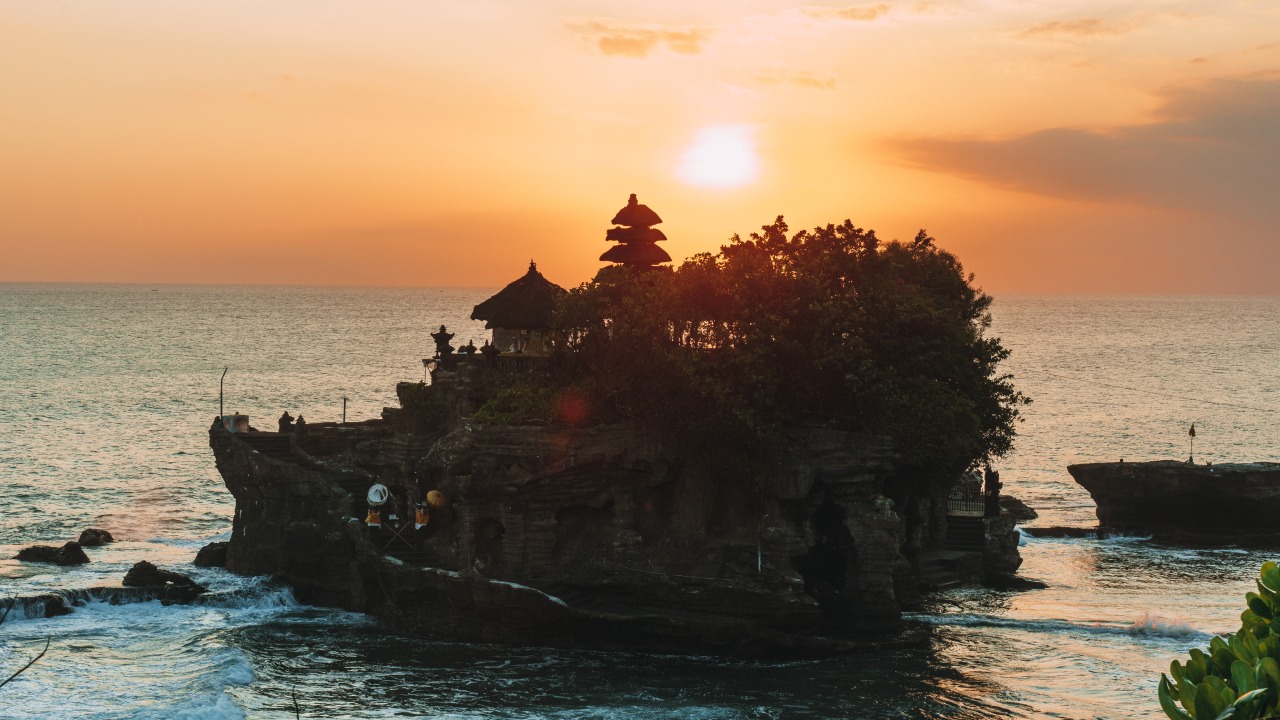
Bali continues to see normal tourism activity. Flight schedules are operating as planned and resorts are open without any changes to their daily services. A long-standing neutral foreign policy keeps Indonesia out of international disputes. Location is also key. Major conflict zones are thousands of miles away. Current arrival data shows no shifts in local safety.
Key Stability Factors:
| Factor | 2026 Status |
| Distance from major conflict zones | Very far / isolated |
| Political stability | Stable |
| Tourism operations | Normal |
| Risk for tourists | Low |
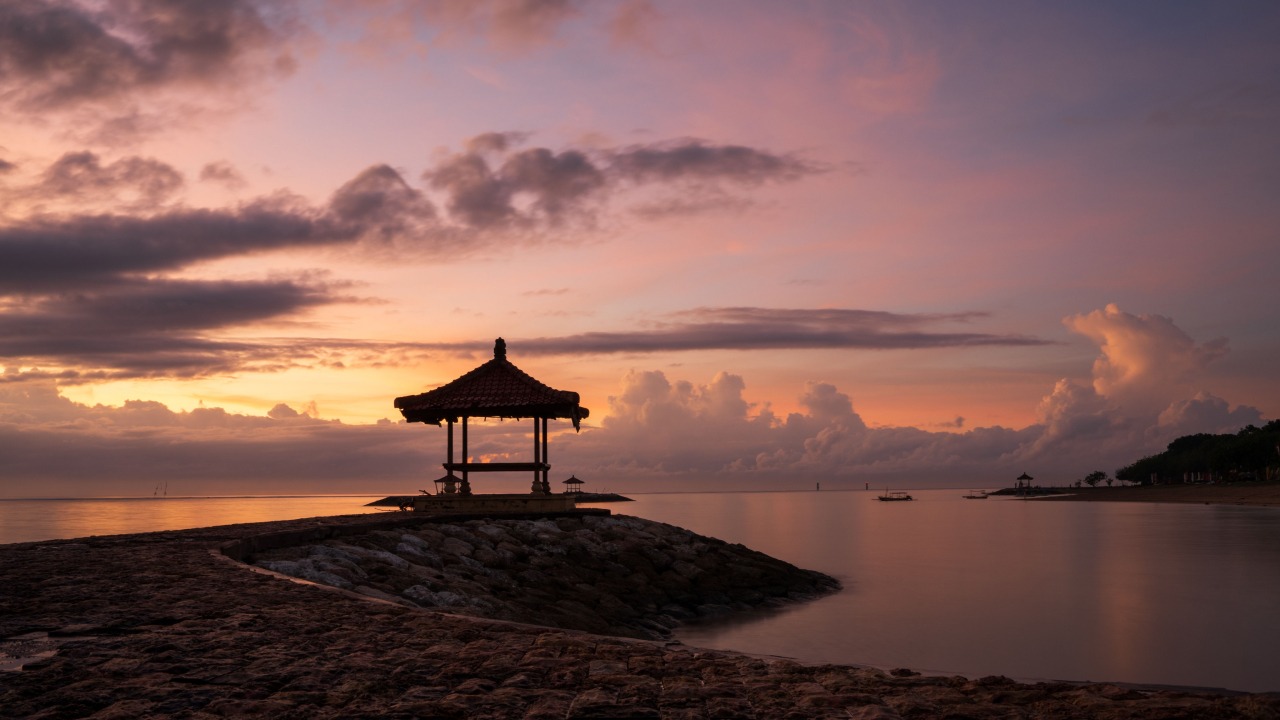
Bali is far from any active war zones. Indonesia sits in Southeast Asia, which is thousands of miles away from current global trouble spots. This distance keeps the island quiet and out of the way of distant disputes. Flights continue to land every day without any changes to their usual routes.
| Location | Approximate Distance from Bali |
| Middle East conflict zones | ~7,500 - 9,500 km |
| Eastern Europe | ~10,000+ km |
| East Asia | ~4,000 - 5,500 km |
Summary: The island is a long way from any global conflict zones. Because of this distance, the island remains a quiet option for anyone looking to stay away from international instability.

Indonesia follows a "Free and Active" foreign policy. The government stays out of superpower rivalries to focus on local economic growth and regional stability.
Tourism is a major part of the economy. Because of this, local policies focus on protecting the industry to make sure political talk doesn't affect the safety of people visiting.
Specialized "Tourism Police" are stationed throughout Bali’s main hubs. Security protocols at major entry points and resorts are consistently maintained to international standards.
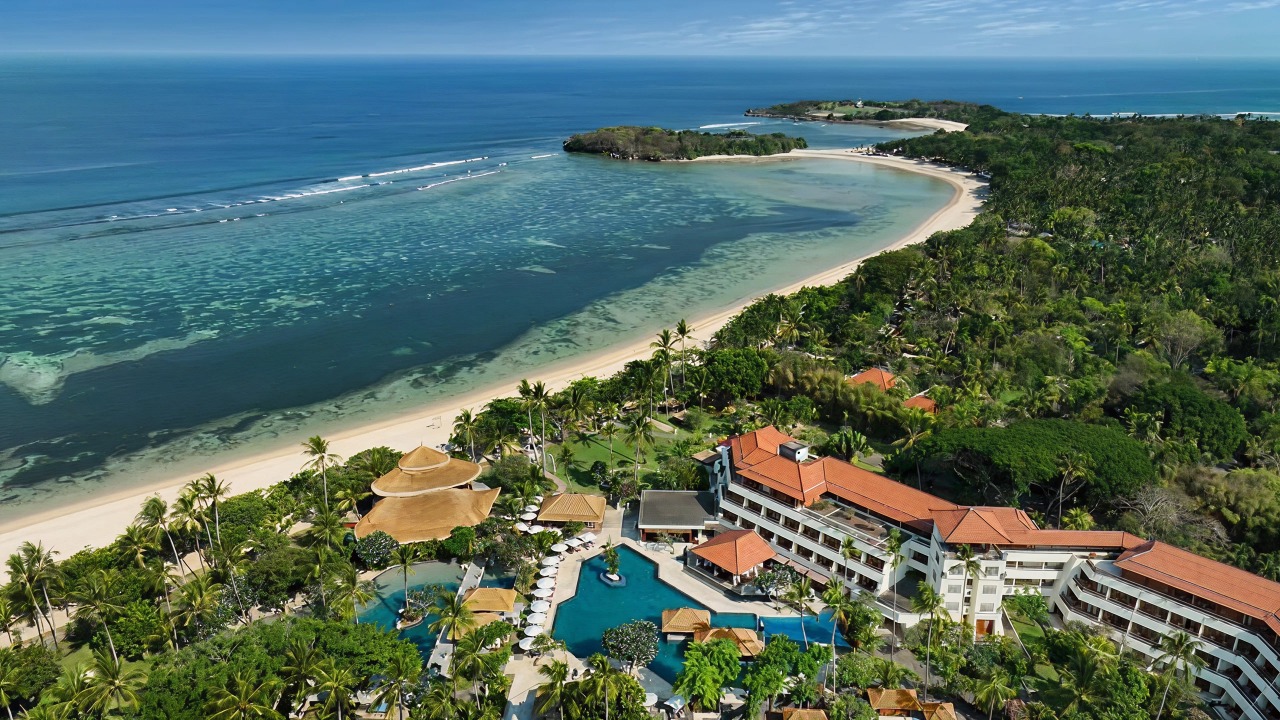
Even if Bali stays safe, international issues can sometimes cause small changes in travel.
Statistically, the risks in Bali are localized and preventable, rather than geopolitical.
| Risk Type | Likelihood |
| Violent crime | Very low |
| Petty theft | Moderate |
| Road accidents | Highest risk |
| Global conflict impact | Very low |
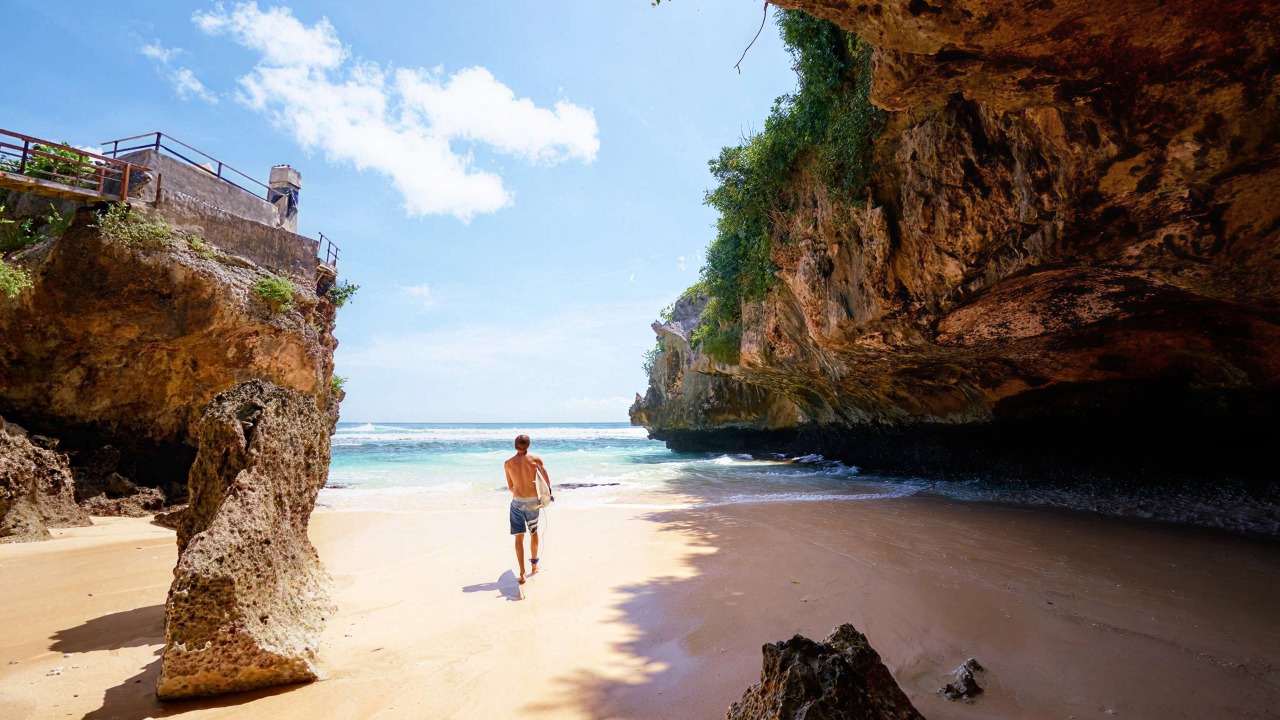
Balinese people are naturally very welcoming because of their local traditions. Since almost everyone there works in tourism, the locals themselves do their best to keep the island safe and friendly for visitors.
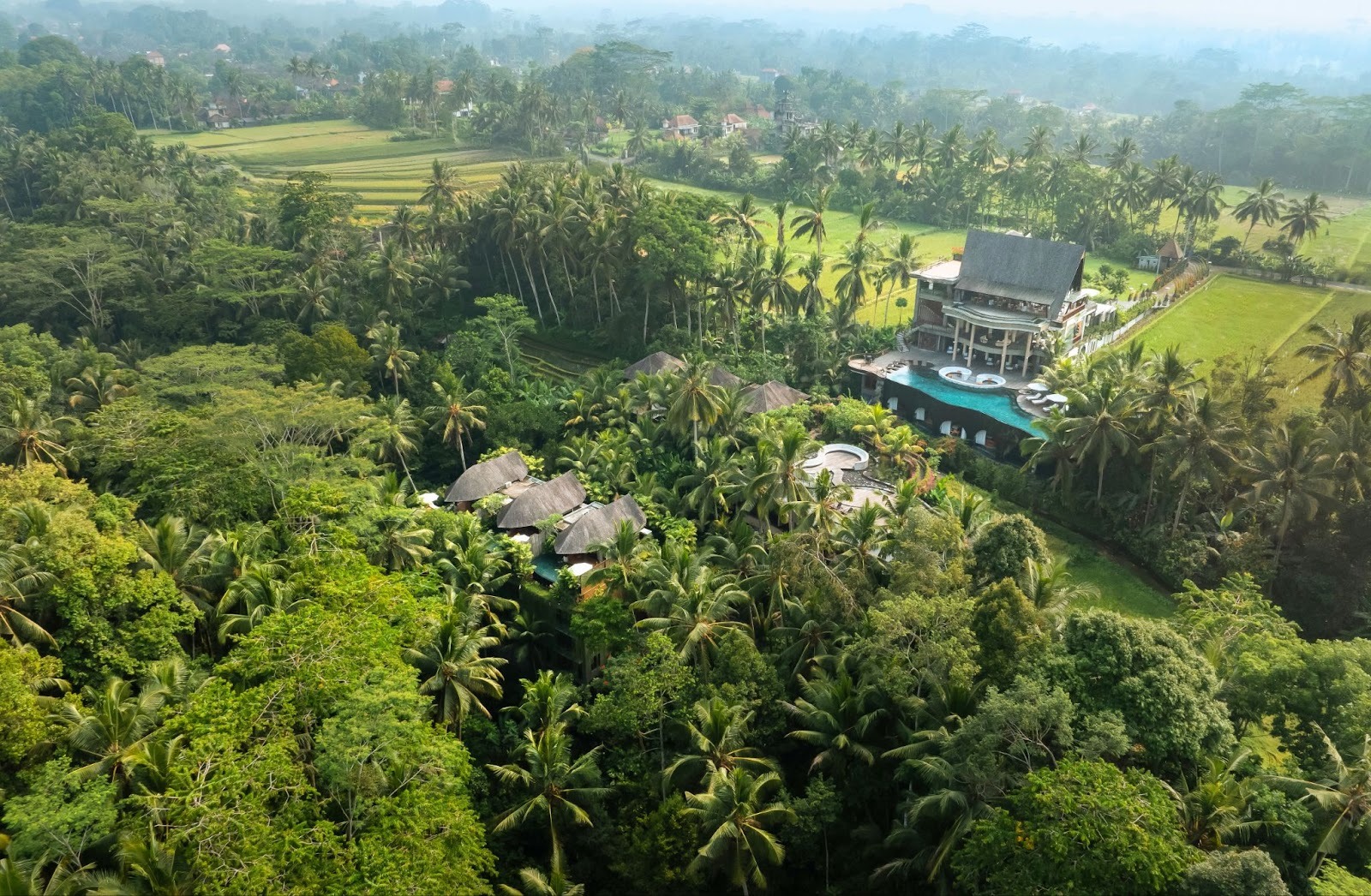
Choosing the right base can enhance your sense of security:
Yes. Indonesia’s neutral stance and Bali’s remote location make it one of the least likely places to be affected by international military escalations.
Aviation hubs in Southeast Asia are among the world's most stable. While routes may occasionally be optimized for fuel, connectivity to Bali remains robust.
There is currently no data to support canceling travel to Indonesia based on geopolitical events. Bali continues to host millions of visitors without incident.
Bali is often considered safer regarding violent crime compared to many Western and other Asian urban centers, largely due to its community-based security and tourism-reliant economy.