Meta Title: 15 Things to Do in Ubud Besides Yoga | 2026 Adventure Guide
Meta Description: Discover things to do in Ubud besides yoga and spa: waterfalls, temples, cooking classes, jungle swings & cultural experiences. Complete 2026 guide.
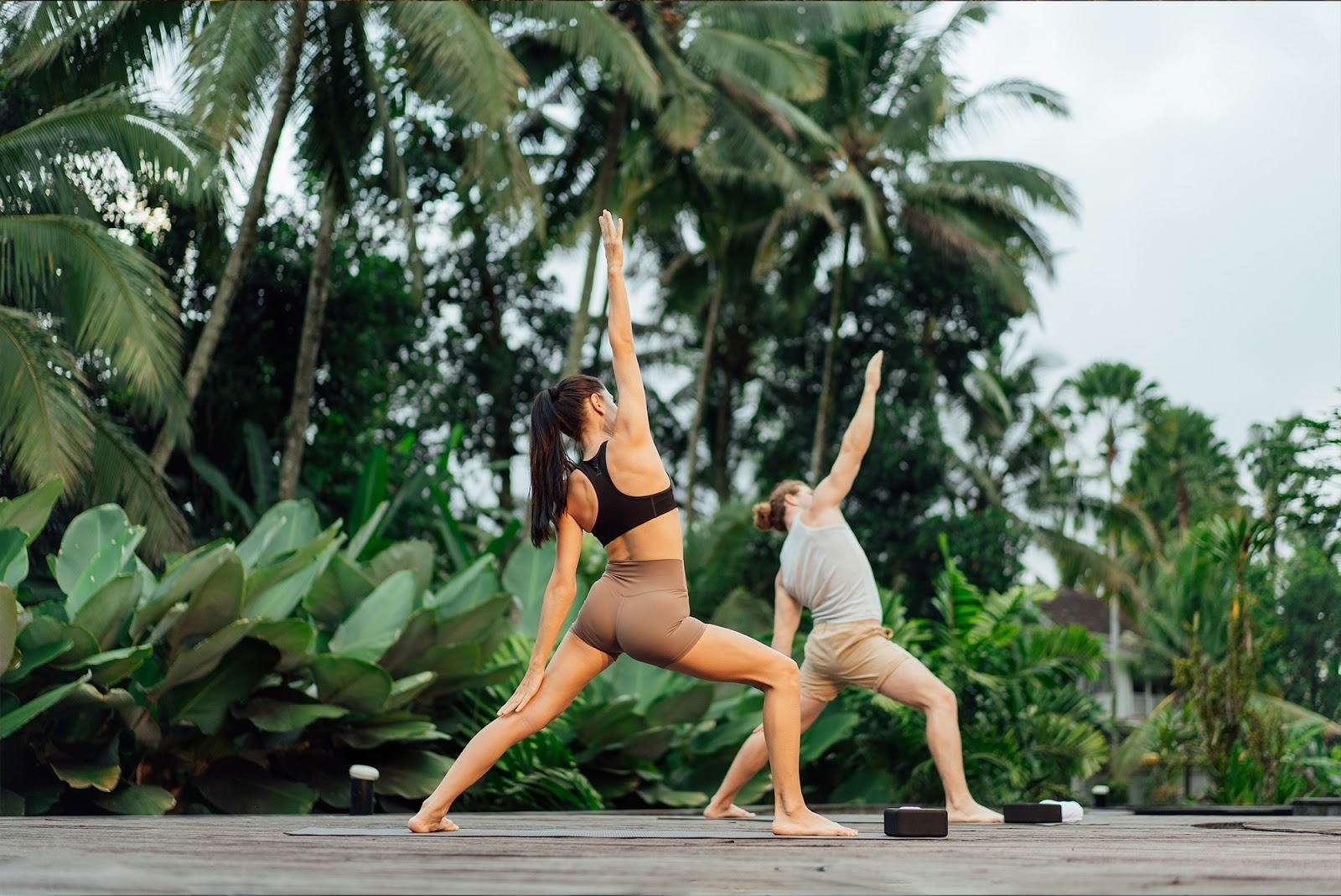
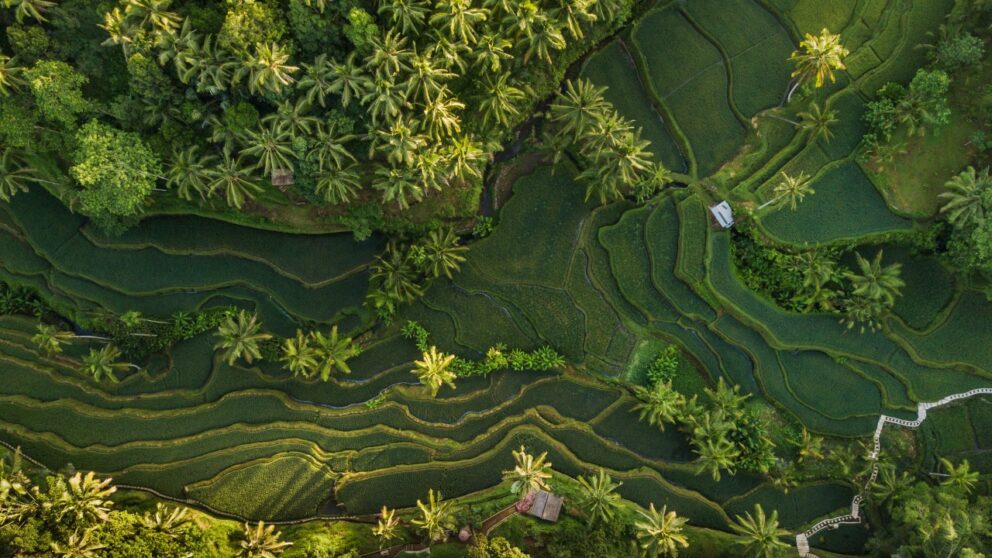
Most people picture Ubud as a place full of yoga studios and green smoothies. And sure, that's part of it. But there's a whole other side to this town that doesn't get nearly enough attention: waterfalls, old temples, cooking classes, jungle swings, real food, and beyond.
Let's be honest: not everyone comes to Bali to master crow pose or spend hours getting massages. Some of us just want to chase waterfalls, eat incredible food, swing over rice terraces, and maybe learn to make a proper cocktail. If that's you, this guide delivers plenty of things to do in Ubud besides yoga and spa treatments.
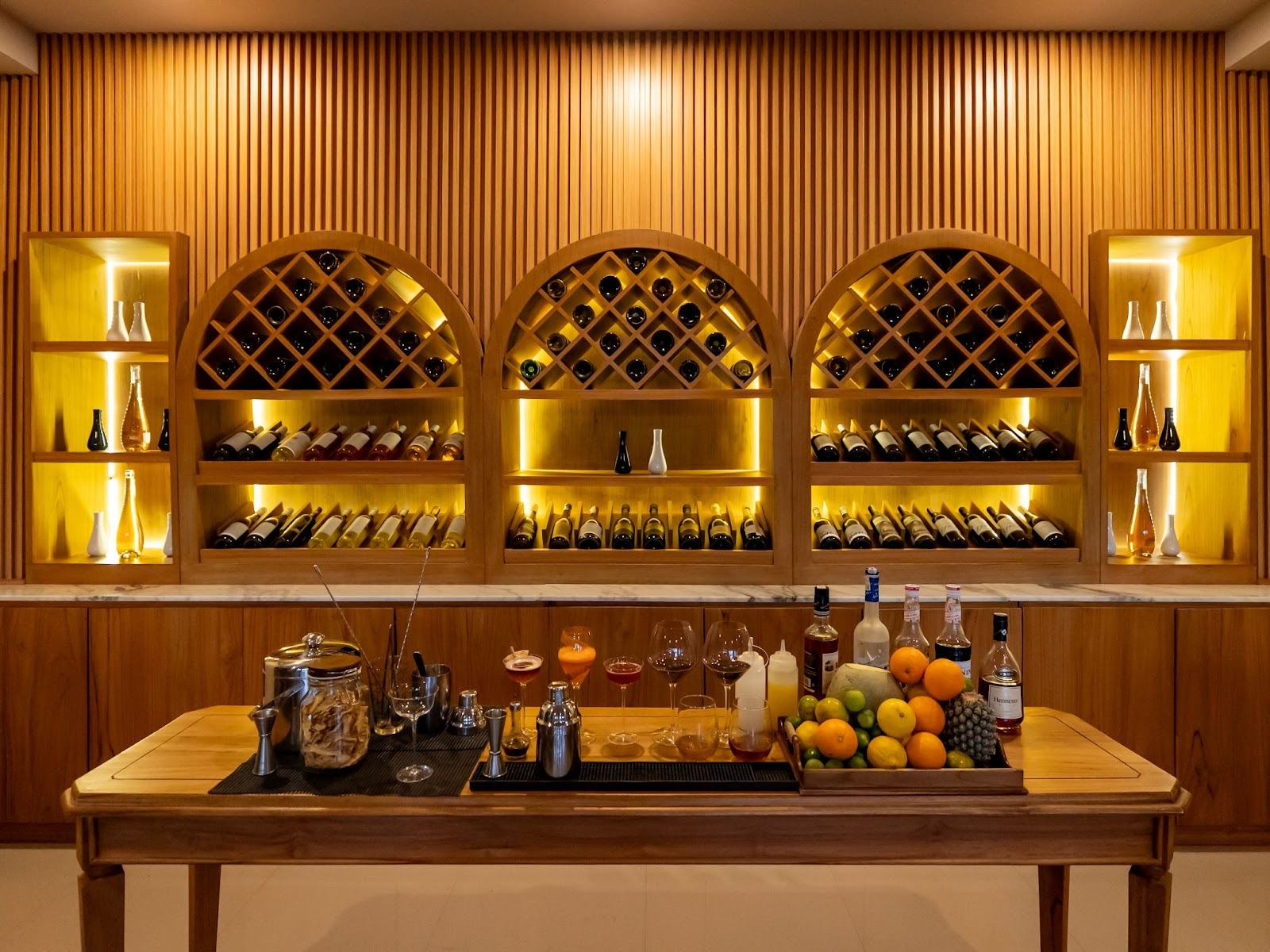
Here's something refreshingly different: Abisena Wellness and Resort Ubud offers in-house mixology classes where you learn to create signature cocktails using local ingredients!
You're not just following recipes; you're understanding flavor profiles, learning proper technique, and discovering how Balinese ingredients translate to cocktail culture. And in the end, you’ll be crafting your own signature drinks.
Our Sanja Cocktail class is hands-on, fun without being cheesy, and you leave with recipes to recreate at home. Perfect for couples, groups, or solo travelers who've had enough green juice for one trip.
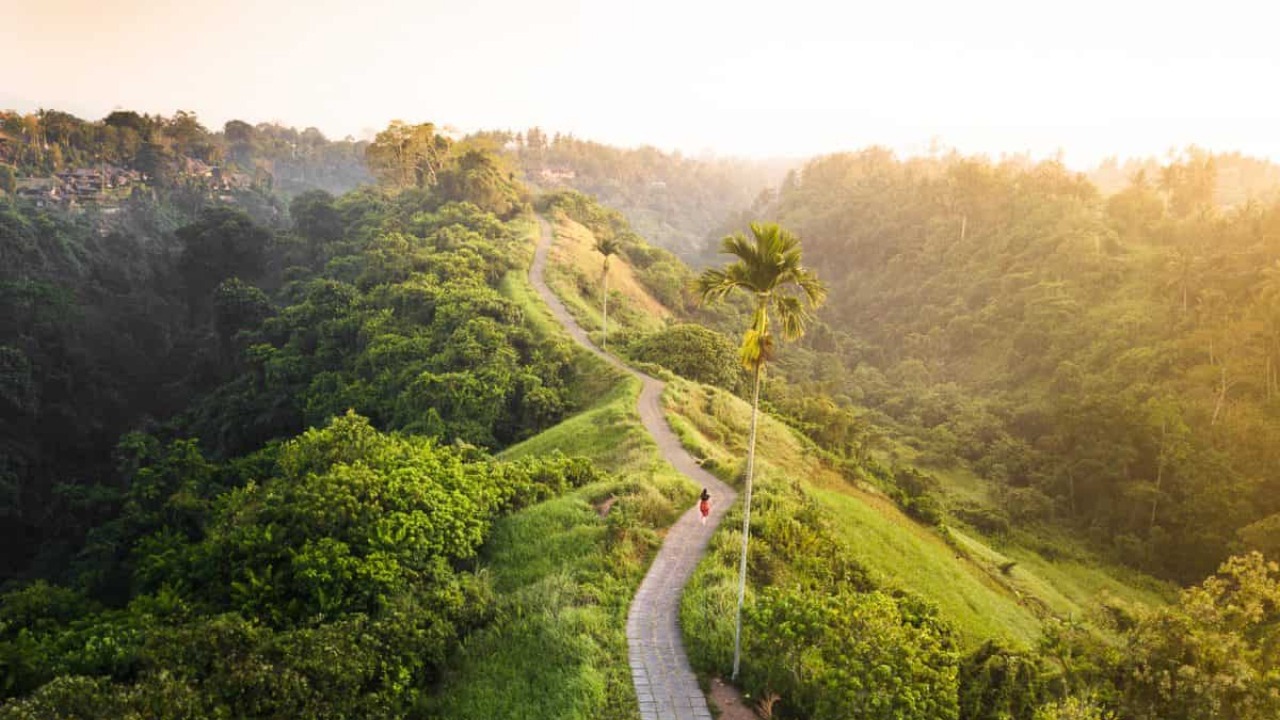
The Campuhan Ridge Walk might be Ubud's most accessible natural experience spanning two kilometers of paved pathway through rolling hills, palm groves, and rice field landscapes. No entrance fee, no tour guide necessary, just you and legitimately beautiful scenery.
Starting at the Ibah Hotel, the path is gentle with nothing strenuous, suitable for all fitness levels. Early morning (6:30-7:30 AM) offers cool temperatures and mist clinging to valleys. Sunset (5:30-6:30 PM) delivers golden light that makes everything photogenic.
The walk takes 45 minutes to an hour at a leisurely pace, longer if you're stopping constantly for photos. There's a small warung (local café) at the far end serving drinks and snacks if you want to rest before returning.
Wear real shoes, not flip-flops as morning dew makes things slippery. Bring water. The valley gets hot by mid-morning, and there's minimal shade along the ridge.
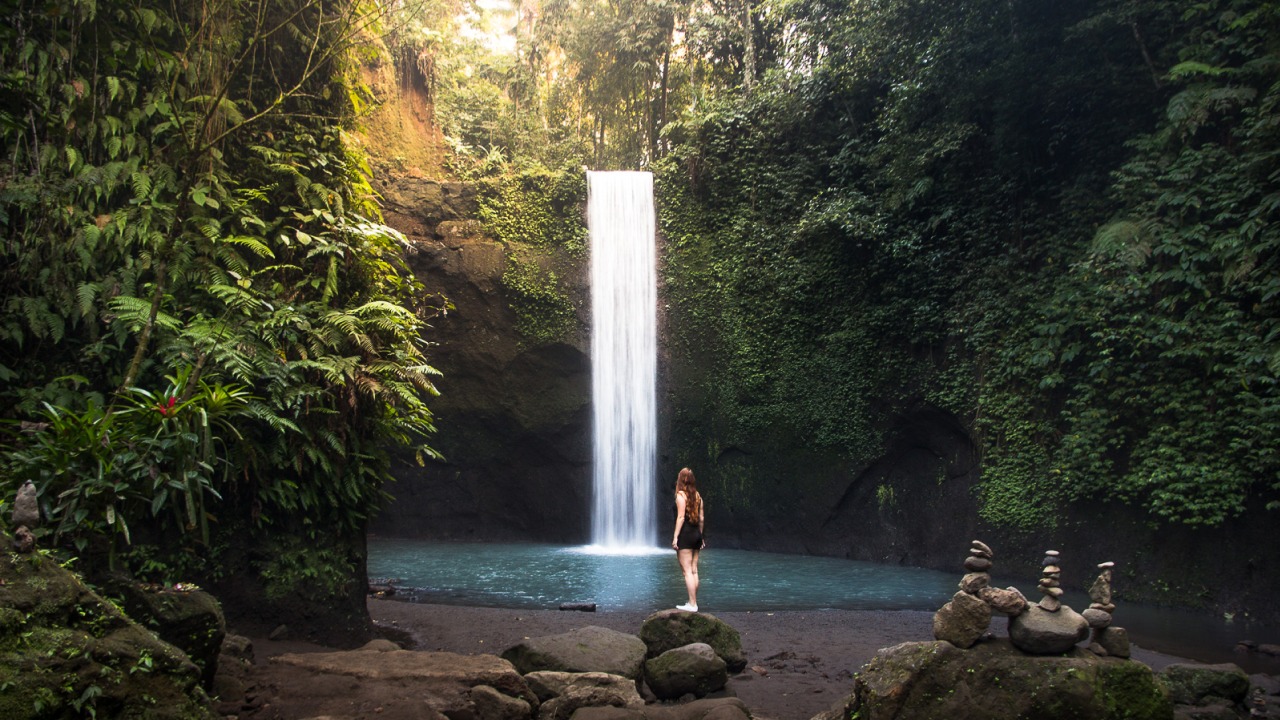
Ubud's surrounding area hides multiple waterfalls, each offering different vibes and representing excellent things to do in Ubud besides yoga and spa activities:
Tegenungan (30 minutes south of Abisena Wellness & Resort) is the closest and most developed. A big cascade into a wide pool, legitimate swimming opportunities, changing facilities, and a whole dayclub for those looking to relax without going through the steep stairs down (and more painfully, back up). Come early (before 9 AM) to avoid crowds, or embrace the chaos if you're arriving later.
Tibumana (44 minutes from Abisena Wellness & Resort) delivers peaceful vibes. Smaller, less crowded, surrounded by jungle with smooth rocks perfect for sitting and enjoying the atmosphere. The approach involves walking through rice paddies, which adds to the adventure but gets muddy after rain. Better for quiet contemplation and photography than serious swimming.
Tukad Cepung (1 hour from Abisena Wellness & Resort) is the most dramatic, a waterfall inside a cave with light beaming through the opening above. The effect is genuinely spectacular, especially late morning when sun angles hit perfectly. The hike down involves some scrambling through water and rocks, so wear appropriate shoes and embrace getting wet.
Practical advice: Bring swimsuit, towel, waterproof phone case, and cash for entrance fees (15,000-20,000 IDR each, roughly $1-1.50 USD). Hire a driver for the day to hit multiple waterfalls rather than dealing with transportation logistics yourself.
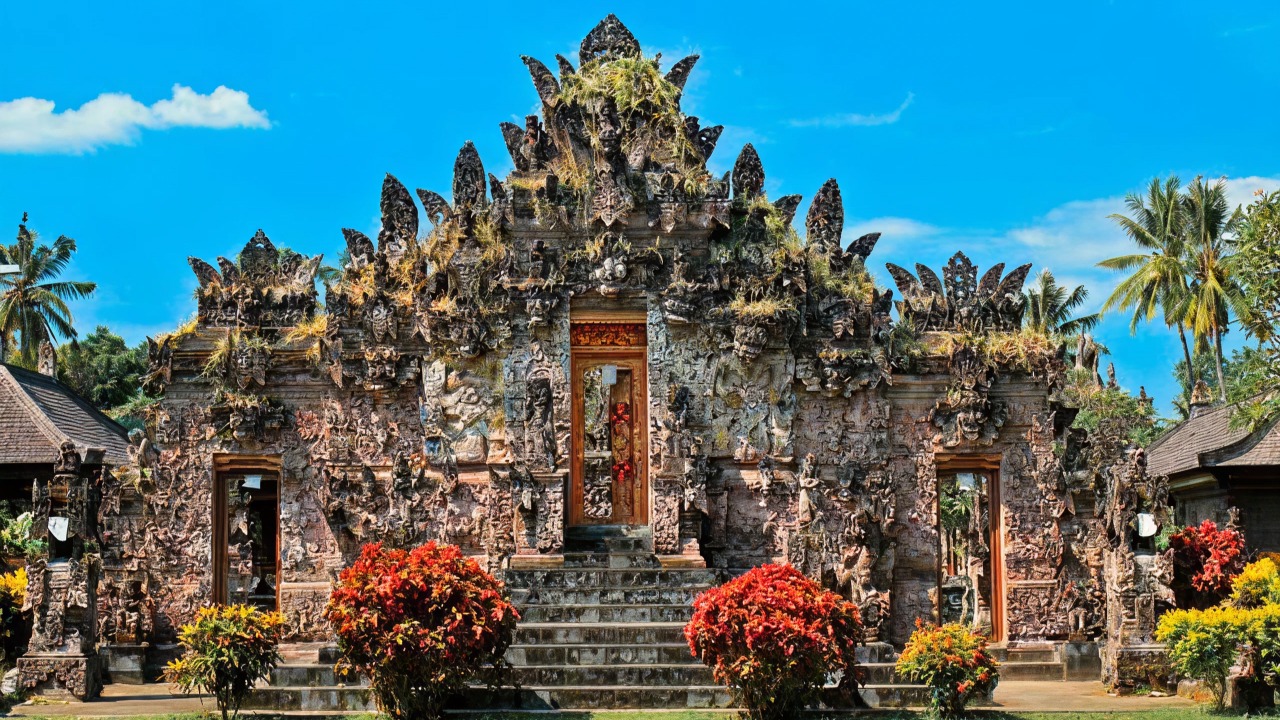
Ubud's temple scene extends far beyond Saraswati and Ubud Palace, offering compelling things to do in Ubud besides yoga and spa sessions:
Pura Beji Keliki is a beautifully underrated traditional village temple with intricate carvings. It's part of our Satya Ragha experience at Abisena Wellness and Resort Ubud, where you can partake in a local purification ritual with local context rather than just wandering through confused. The temple sits in an authentic village setting, giving you an actual glimpse of Balinese spiritual life rather than tourist performance.
Tirta Empul offers the famous water purification ritual where you can participate in traditional bathing ceremonies. It’s the most crowded of all temples in Ubud, but it remains an iconic complex, presenting ancient stone, spring-fed pools, local families performing ceremonies alongside tourists.
Goa Gajah combines history and mysticism. A 9th-century cave with a demon-faced entrance, ancient bathing pools, and peaceful grounds. Takes 45 minutes to explore properly, costs around 50,000 IDR ($3-4 USD).
Gunung Kawi features ancient rock-cut shrines carved into cliff faces, accessed by descending 300+ stone steps through rice terraces. It's stunning, slightly exhausting, and significantly less crowded than major temples.
Temple etiquette: Sarongs are often offered at the entrances to rent or buy. This is due to a modest etiquette that requires shoulders to be covered. Menstruating women may also be refrained from entering certain temples (this is taken seriously), and donations are usually expected even where entrance is "free."
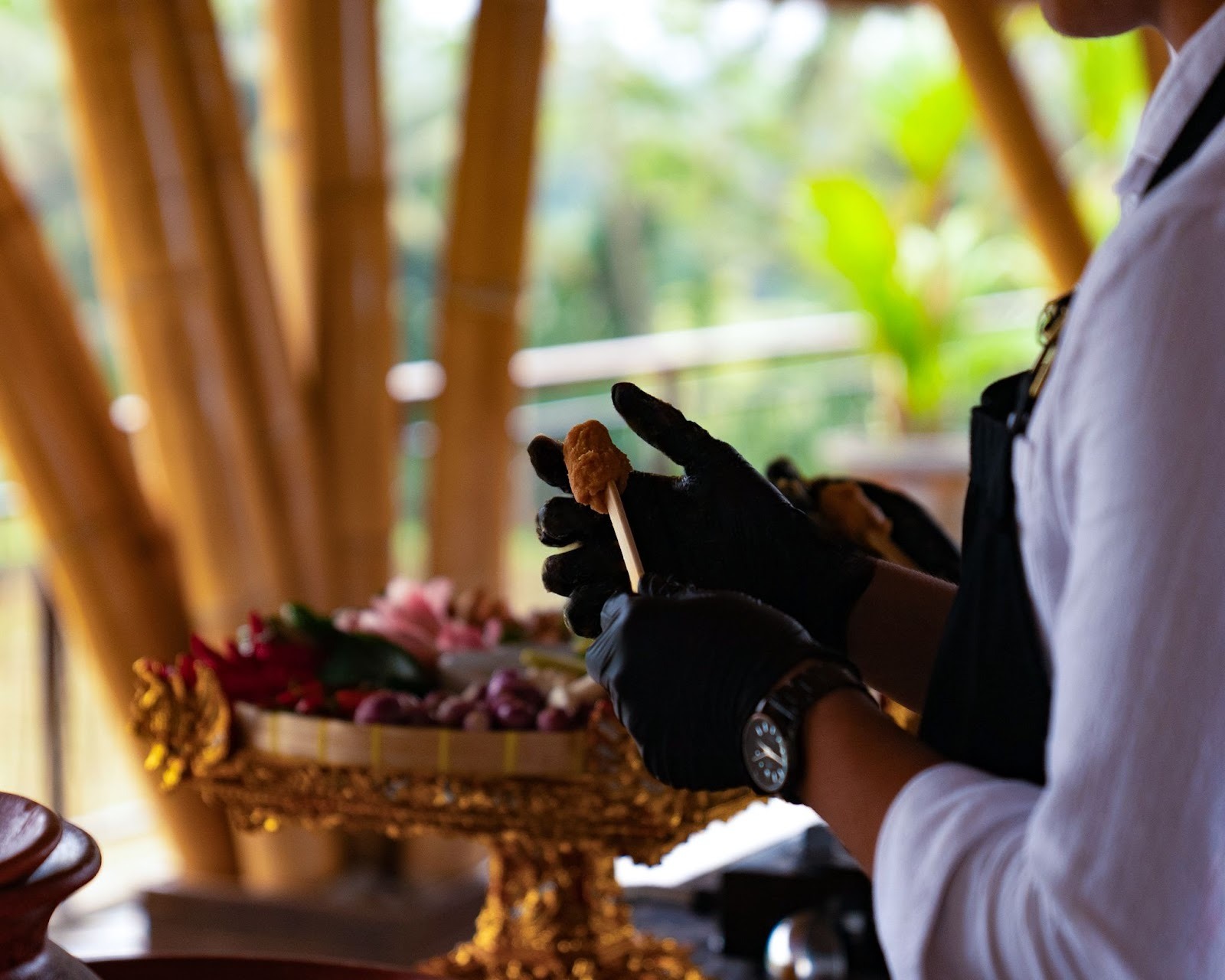
Cooking classes have become Ubud standard, but quality varies wildly. The good ones include market visits where you learn about ingredients before cooking, teach actual technique rather than just assembly, and send you home with recipes that work.
Abisena Wellness and Resort's Paon Tarru offers authentic Balinese cooking experiences including picking the freshest picks at the local market. You’ll experience how food plays more than just a flavorful bookmark during the day, but you’ll also learn how it ties to the everyday Balinese lifestyle when you partake in the Mesaiban ritual before enjoying a picnic-style lunch as a symbol of communal warmth.
Plus, our Sejamuan experience invites you to create traditional Balinese herbal drinks, loloh, using local plants, herbs, and natural ingredients. These aren't just trendy wellness beverages; they're traditional medicine and daily nutrition in centuries of Balinese culture. You learn which plants provide specific health benefits, proper preparation methods, and cultural context.
Why this beats typical wellness activities: You're still being "healthy" and "cultural" but ending with food instead of stretching. Plus, you have skills to show off at home beyond being able to touch your toes.
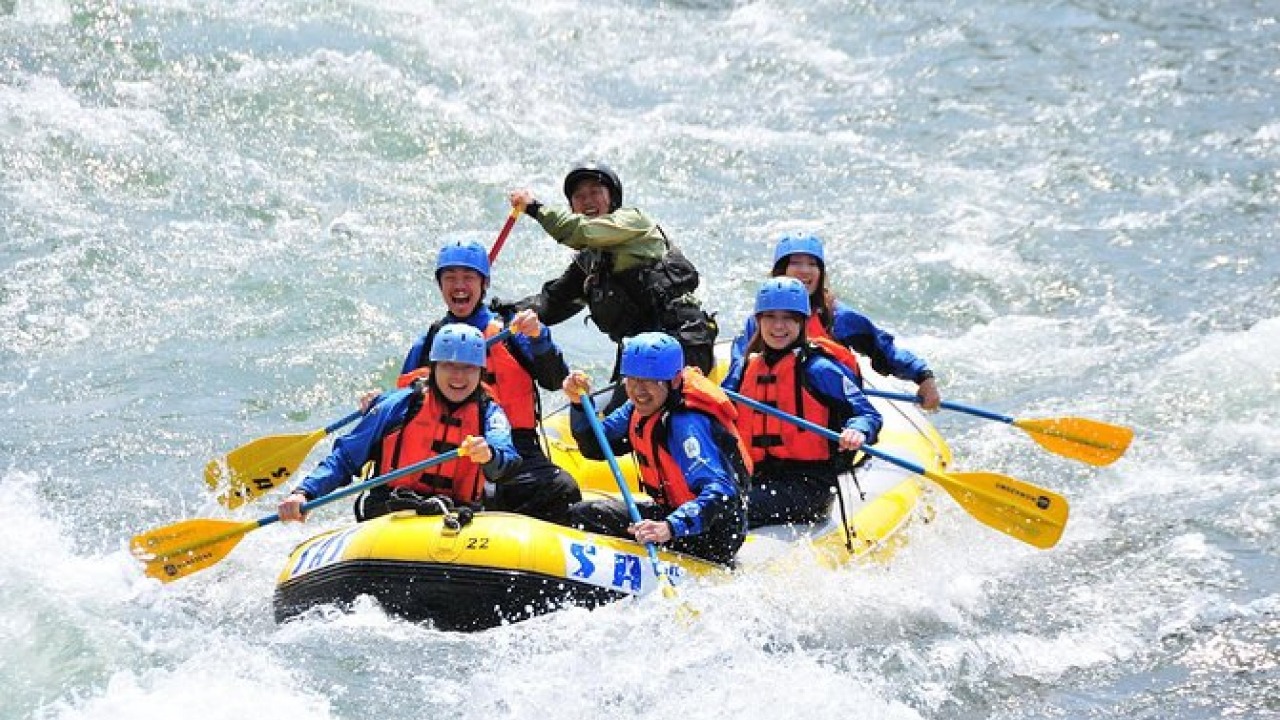
The Ayung River offers Bali's most accessible whitewater rafting with Class II-III rapids that feel adventurous without being terrifying. The two-to-three-hour journey takes you through jungle gorges, past waterfalls, and alongside carved rock reliefs that suddenly appear in cliff faces.
Bali Adventure Tours and Mason Adventures operate professional outfits with proper safety equipment and experienced guides. Morning sessions typically offer cooler temperatures and fewer crowds. Kids over seven can participate, making this genuinely family-friendly.
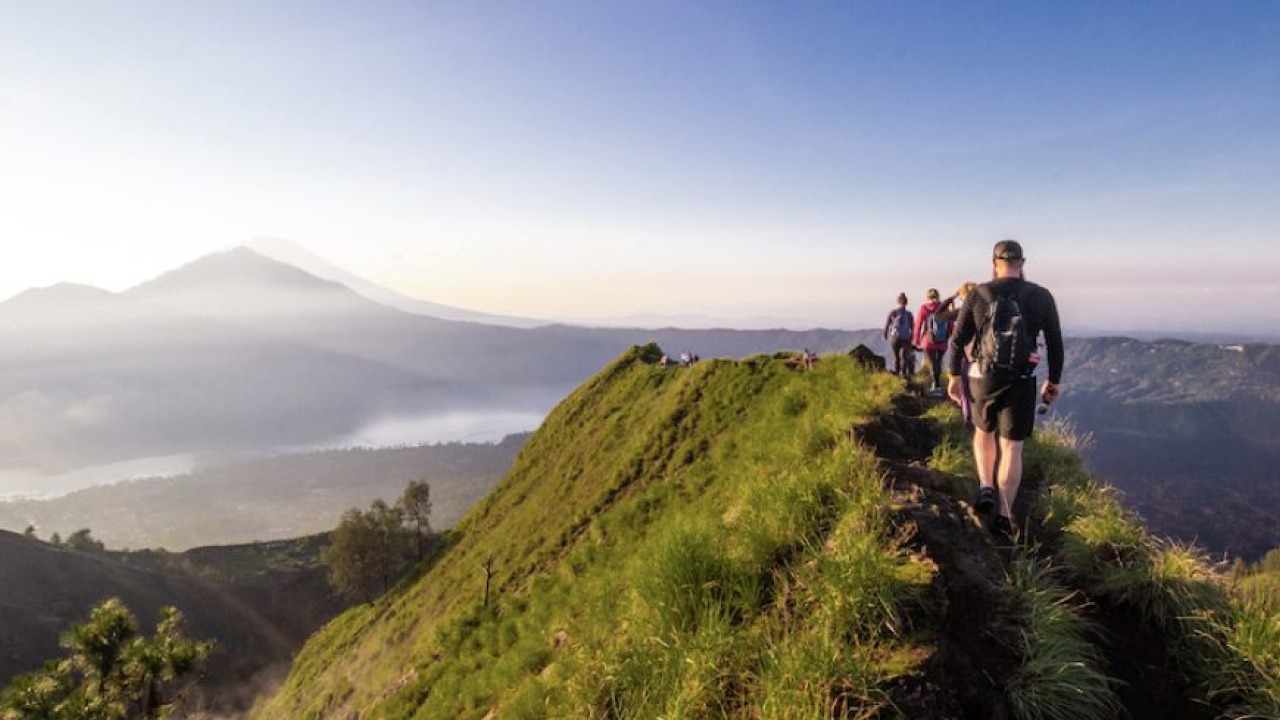
The Mount Batur sunrise trek requires genuine commitment; you're waking up around 2-3 AM for pickup, driving 1.5 hours in darkness, then hiking up an active volcano to reach the summit by sunrise. It's exhausting, chilly at the top (bring layers), and absolutely worth it.
The summit view delivers: watching sunrise illuminate the volcanic landscape, Lake Batur below, Mount Agung in the distance, steam venting from active volcanic vents where guides cook eggs for breakfast. It's dramatic in ways that beach sunrise can never match.
The hike takes about 2 hours up, with the path ranging from easy to moderately challenging depending on route. Guides are mandatory (for safety and park regulations), usually included in tour packages around $35-60 per person.
Reality check: This is a popular trek, meaning you're summiting with dozens of other tourists. The experience is still spectacular, just not solitary. Book with reputable operators who limit group sizes and provide proper equipment (headlamps, walking sticks).
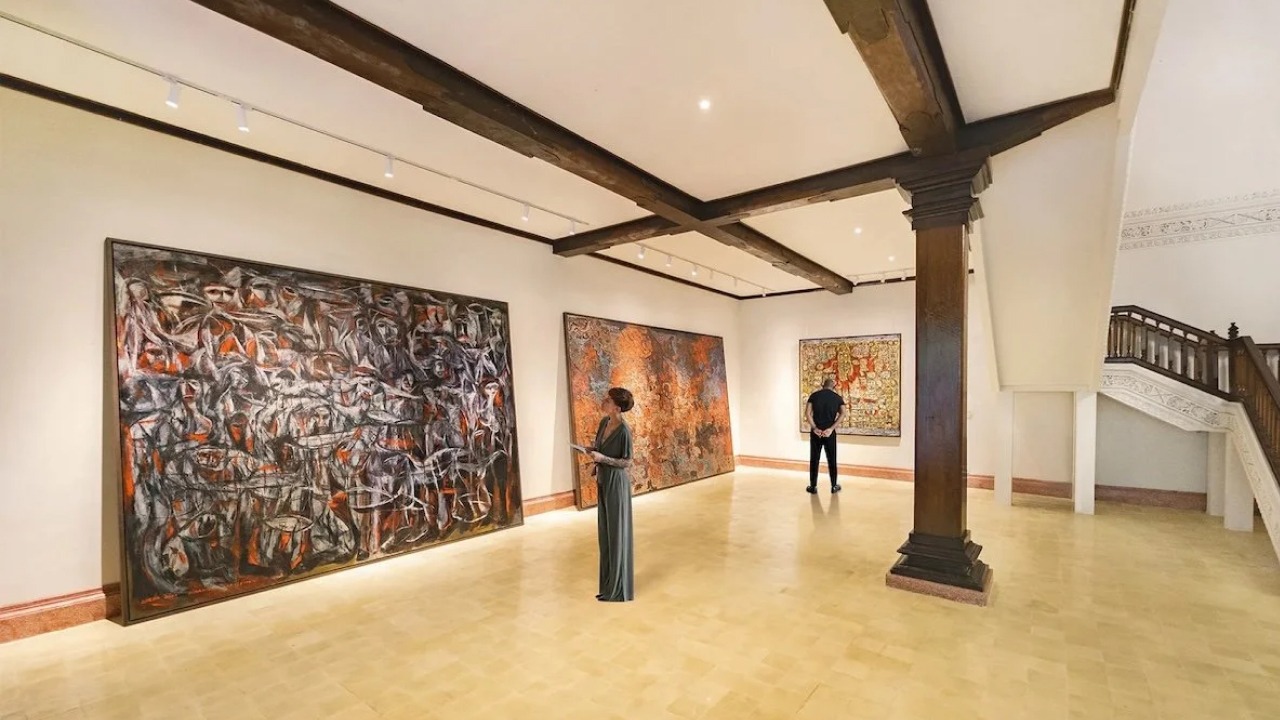
Ubud's reputation as Bali's cultural capital comes from legitimate artistic heritage, visible in several excellent museums:
Blanco Renaissance Museum showcases the work of renowned artist Antonio Blanco, who made Bali his home. His romantic style and flamboyant personality permeate the museum-villa overlooking the Campuhan River. It's theatrical, slightly eccentric, and genuinely interesting even if you're not typically a museum person.
ARMA (Agung Rai Museum of Art) presents comprehensive collections of traditional and contemporary Balinese art, plus works by influential Western artists who worked in Bali. The museum regularly hosts cultural performances, making it more dynamic than typical static galleries.
Neka Art Museum provides deep context for Bali's artistic evolution, with collections spanning traditional Balinese painting through modern and contemporary works.
Entry fees: 50,000-100,000 IDR ($3-7 USD) per museum
Time needed: 1-2 hours per museum depending on your art interest level
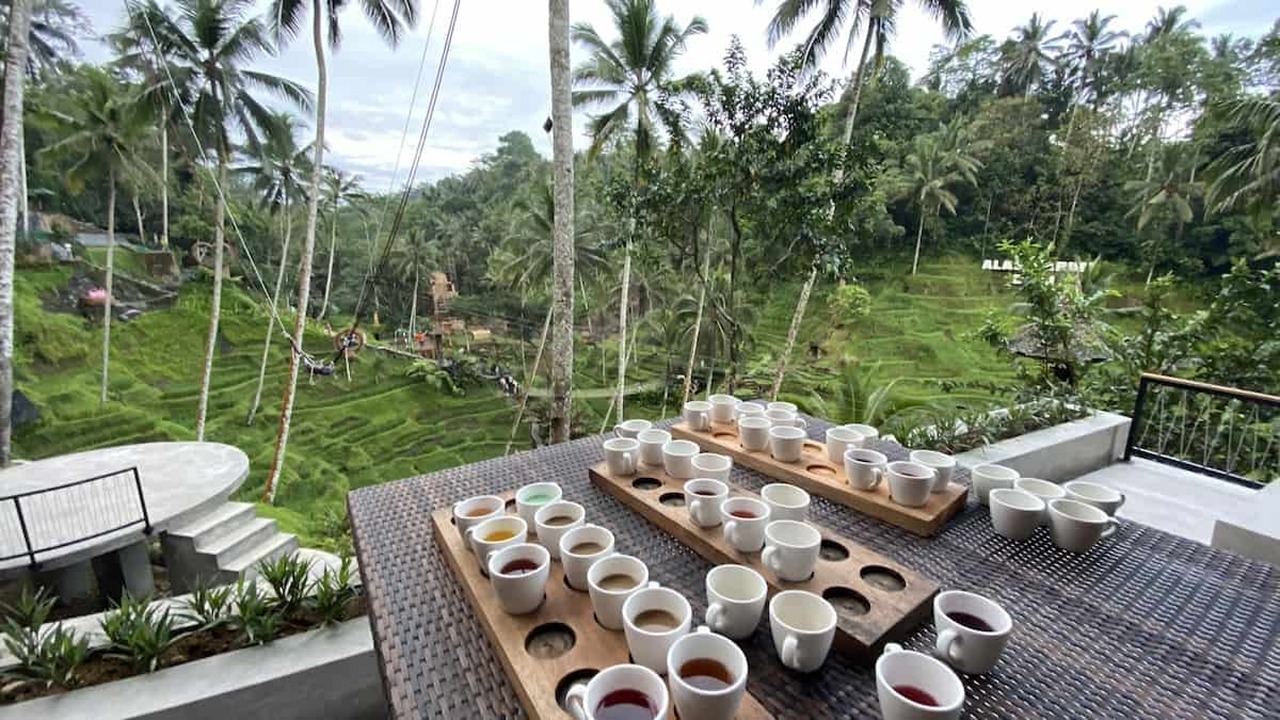
Ubud's surrounding area contains numerous coffee plantations offering tours, tastings, and education about Bali's coffee culture, including the infamous kopi luwak (civet coffee).
This is where the world’s rarest and most expensive coffee is made. Most plantations offer comprehensive tours showing the full process—growing, harvesting, roasting, brewing. You'll taste multiple varieties (usually complimentary), learn about terroir and processing methods, and understand why Balinese coffee deserves respect beyond the kopi luwak gimmick.
They also occupy stunning locations overlooking rice terraces or jungle valleys, making the tasting experience inherently pleasant.
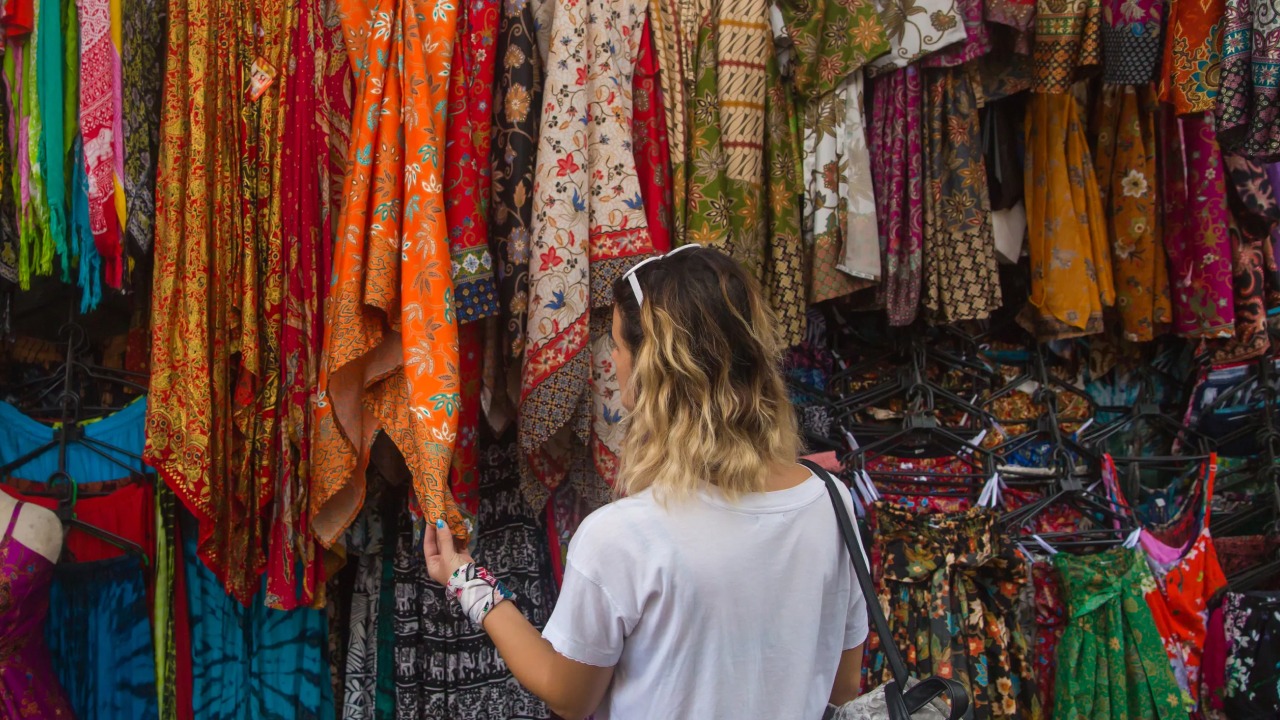
Ubud Art Market serves as a tourist shopping headquarters. Touristy. yes, but also genuinely useful for bringing home Bali beyond photos.
The market stocks everything: sarongs, hand-carved wooden items, silver jewelry, paintings, batik clothing, woven bags, and dream catchers. It’s best to bring small bills to make transactions smoother as most vendors still rely on cash. Furthermore, signals may be spotty here, making online transfers a little tricky.
Bargaining is expected. Start at 50-60% of the asking price and negotiate from there. Stay friendly but firm. Walk away if the price doesn't work as vendors often call you back with better offers. But don’t be afraid to walk around for better options!
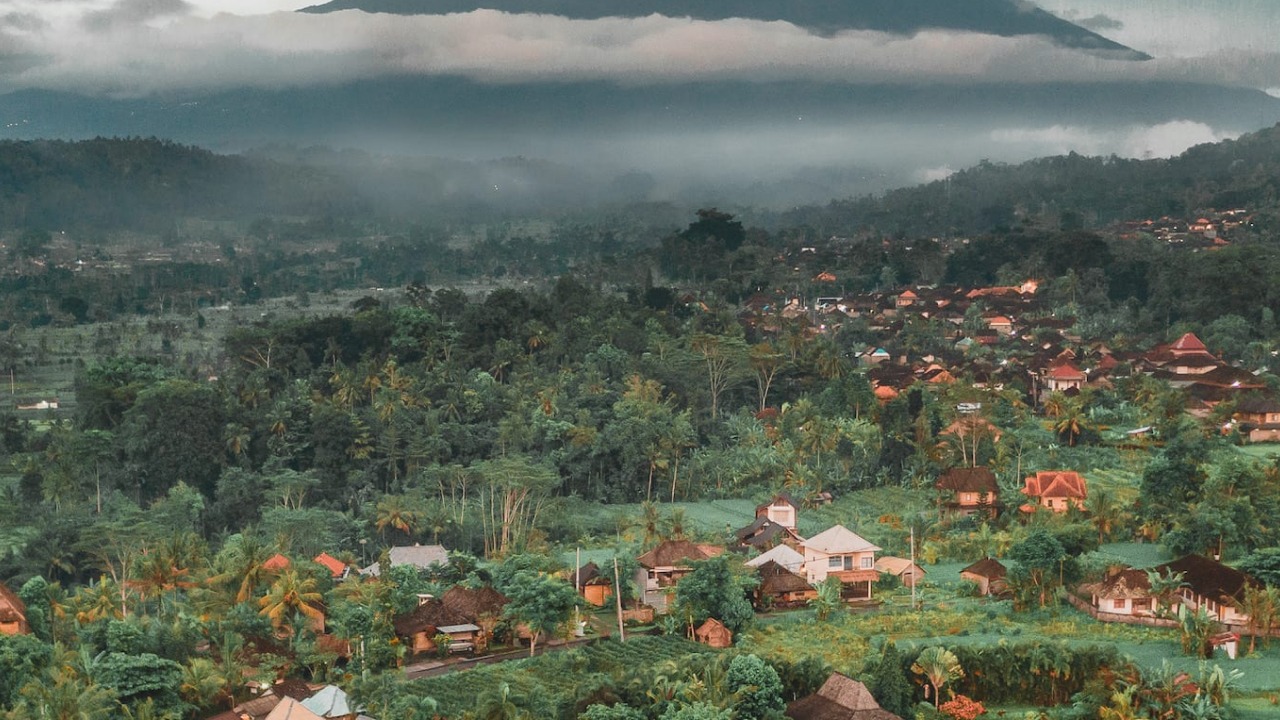
Sidemen Valley sits about an hour east of Ubud, offering everything people love about Ubud's original landscape—rice terraces, traditional villages, mountain views—without the traffic and tourist density.
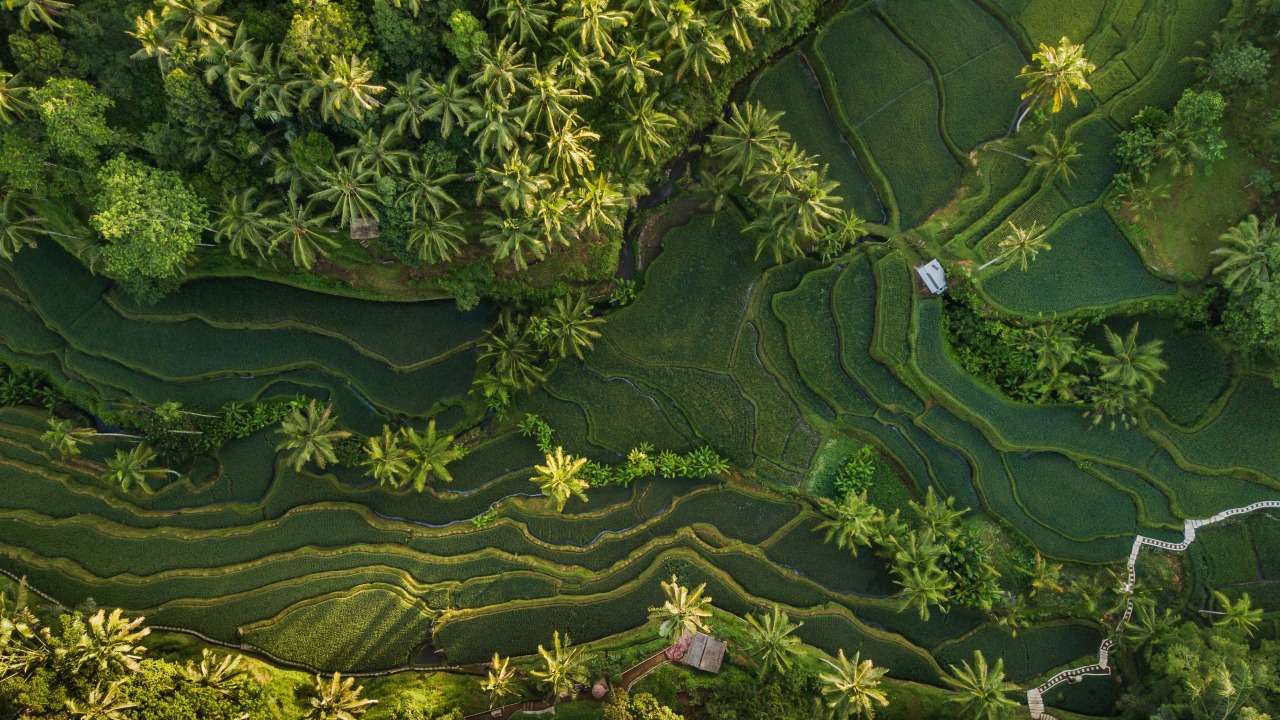
Ubud's culinary scene has evolved to include legitimate fine dining:
Apéritif delivers modern European cuisine with Indonesian influences in an elegant garden setting. The menu changes seasonally, and the wine program actually knows what it's doing.
Mozaic represents Ubud's fine dining in a cozy setting. French technique applied to Indonesian ingredients, consistently ranked among Indonesia's best restaurants.
Kubu at Mandapa offers romantic riverside dining in private bamboo "cocoons", perfect for proposals or anniversaries while indulging in Mediterranean and Indonesian delights.
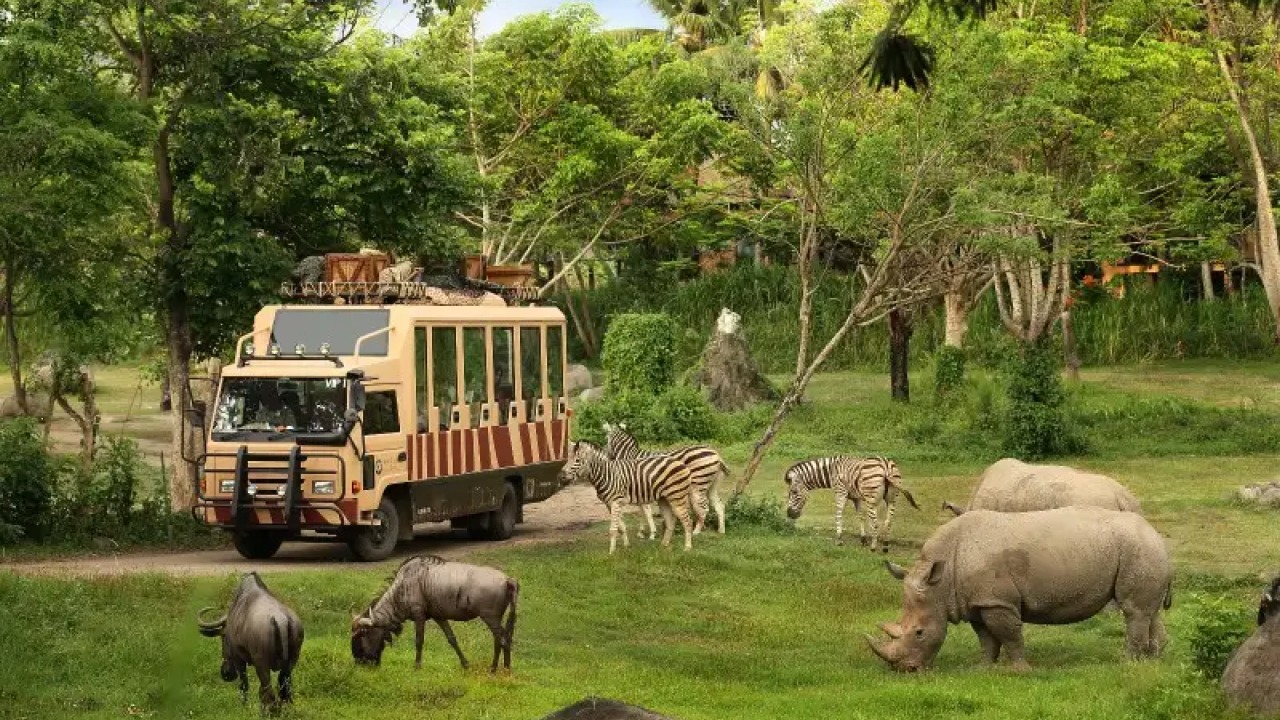
Besides yoga and spa in Ubud, why not consider an activity that engages all members of your family?
Bali Zoo (30 minutes from Abisena Resort & Wellness) is a comprehensive and concise animal encounter that is both entertaining and educational. Little ones and parents can enjoy a day out learning all about native wildlife all over the world and around the island.
Bali Safari & Marine Park (45 minutes from Abisena Resort & Wellness) provides a larger safari experience with drive-through exhibits featuring animals in spacious enclosures. The Night Safari is definitely a must-try experience that is far removed from your usual yoga and spa excursions: you will be riding in a caged safari truck as tigers jump over!
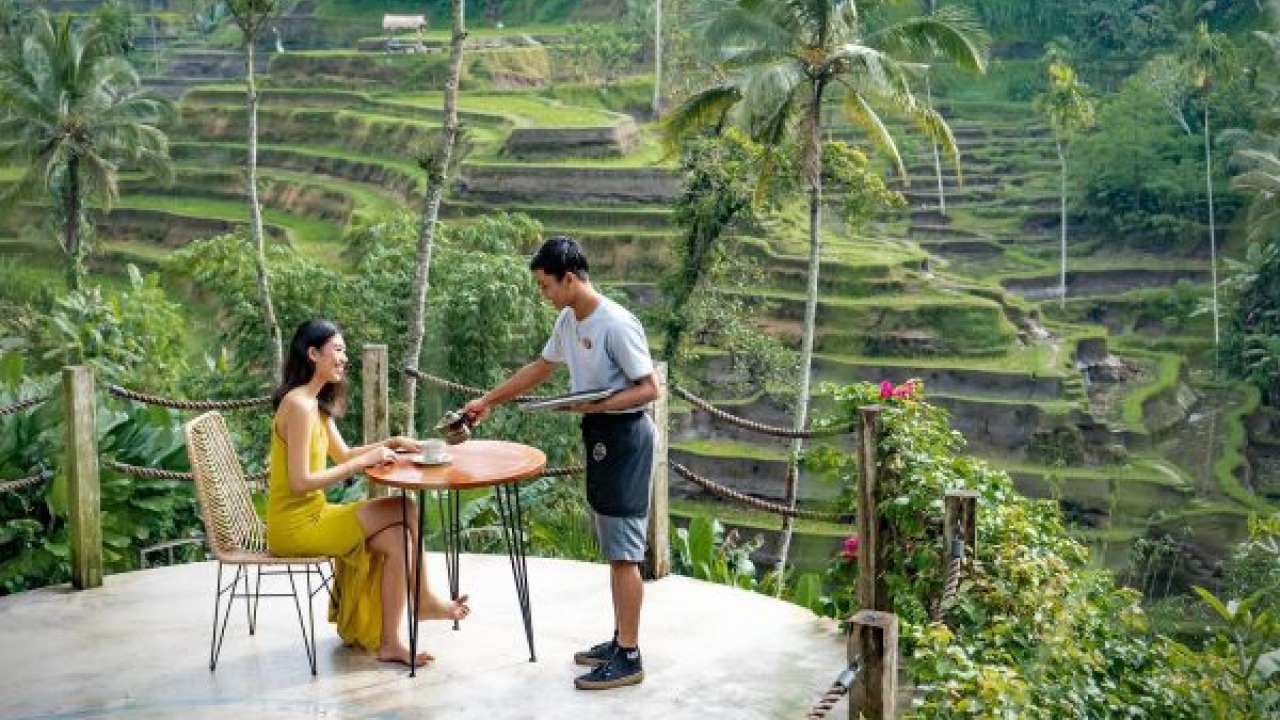
The jungle swing phenomenon has exploded around Ubud, with Tegalalang Rice Terrace hosting the most famous concentration. You're waiting in line, staff positions you on the swing, you get 2-3 minutes for photos. It costs 100,000-200,000 IDR ($7-14 USD) per swing.
Is it worth it? If you want the photo, yes. Go early (7-8 AM) to avoid lines and harsh lighting.
The rice terrace cafés offer more sustained enjoyment in places like Tegalalang Coffee provide stunning views while you relax with drinks and food. No time limits, no posing on command.
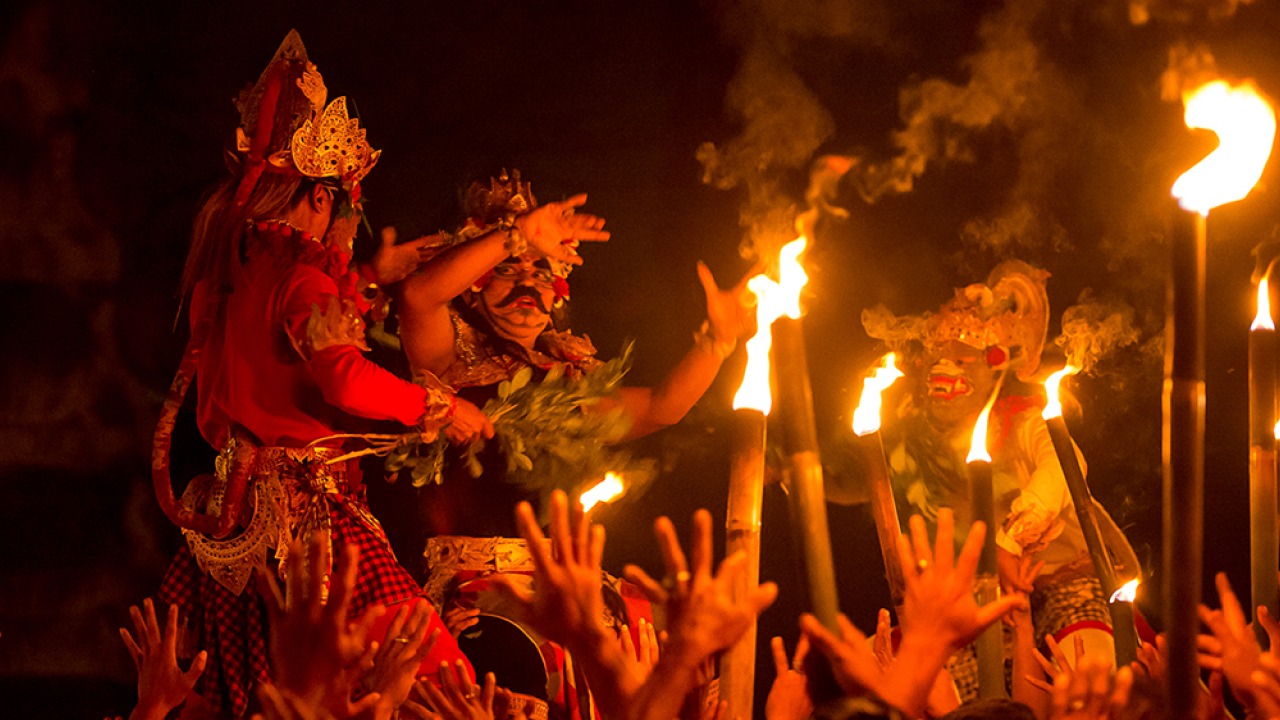
Kecak dance performances happen nightly at Ubud Palace. The performance tells stories from the Ramayana through dramatic fire dances, elaborate costumes, and hypnotic "chak-chak-chak" chanting.
Shows start at 7:30 PM, last about an hour, and cost 80,000-100,000 IDR ($5-7 USD). The palace courtyard setting creates a magical atmosphere as darkness falls.
Already tired from your all-day adventure? Then catch the traditional Balinese dance performance every Thursday right here at Abisena Wellness & Resort, where we transform the beauty of heritage one performance at a time.
Absolutely. There are countless things to do in Ubud besides yoga and spa treatments. Ubud offers exceptional food, stunning nature, cultural experiences, adventure activities, art, and craftsmanship.
Minimum three days to cover major highlights without feeling rushed. Five to seven days allows deeper exploration, day trips to surrounding areas, and time to actually relax. Many visitors wish they'd allocated more time once they experience what Ubud offers.
Mount Batur sunrise trek offers the most dramatic experience with genuine physical challenge. Ayung River rafting balances adventure with accessibility—exciting but manageable for most fitness levels. Waterfall exploration provides adventure in smaller doses.
Very much so. Activities like waterfall visits, cooking classes, Bali Zoo, rice terrace exploration, and cultural performances work well for families. Most restaurants accommodate children, and many villas offer private pools. Main challenges: traffic, distances requiring vehicle transport, and intense heat.