

Ubud Palace Dance: Tickets & Insider Tips for the Perfect Visit (2026)
Published On 26 May, 2026, Categories Travel Guides
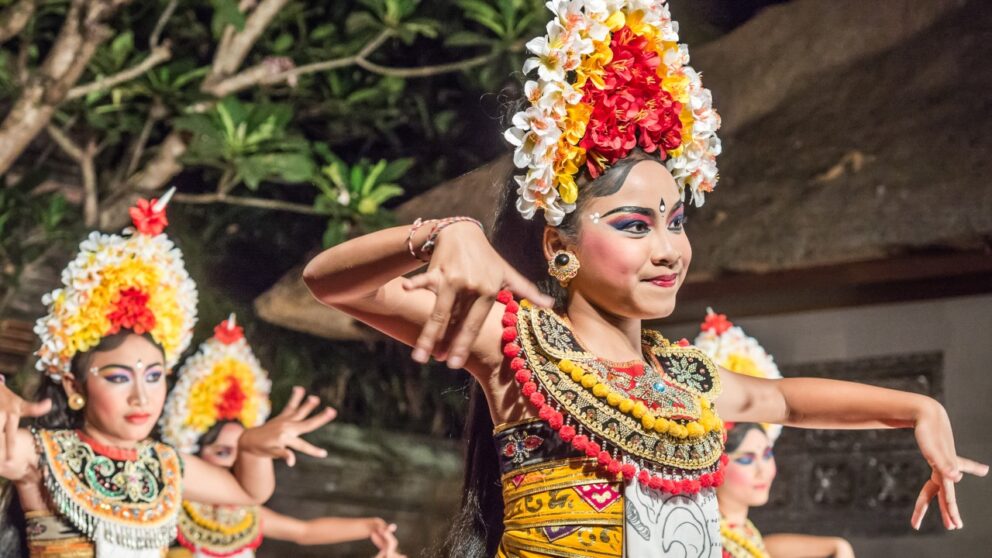
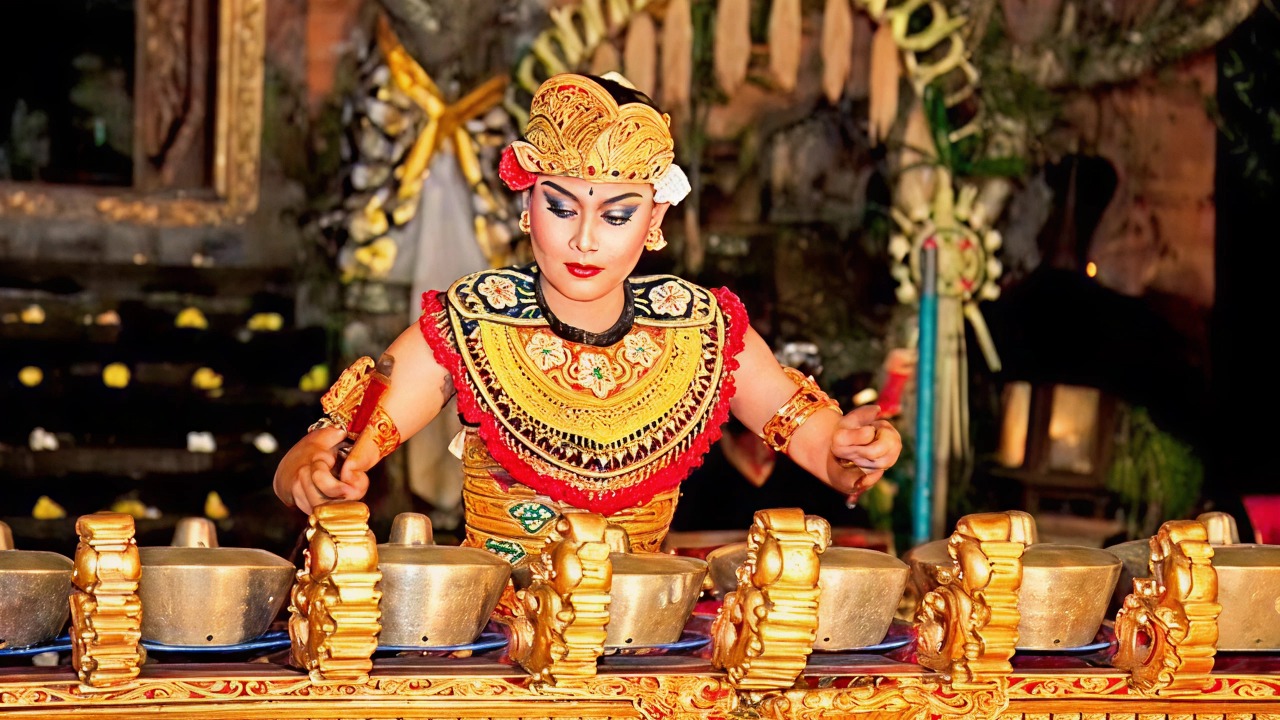
Every evening, as the tropical sky fades from gold to indigo, the courtyard of Ubud Palace (Puri Saren Agung) transforms into one of Bali’s most captivating cultural stages. Flickering temple lamps illuminate ancient stone carvings. The metallic shimmer of a live Gamelan orchestra begins to echo through the air. Then, in a swirl of gold silk and intricate hand gestures, the dancers appear.
If you’re visiting Ubud in 2026, the Ubud Palace Dance remains the gold standard for traditional Balinese performance. It’s an entertainment, a living showcase of storytelling, spirituality, and royal heritage.
Here’s everything you need to know for a seamless and unforgettable visit.
What Is the Ubud Palace Dance Show?
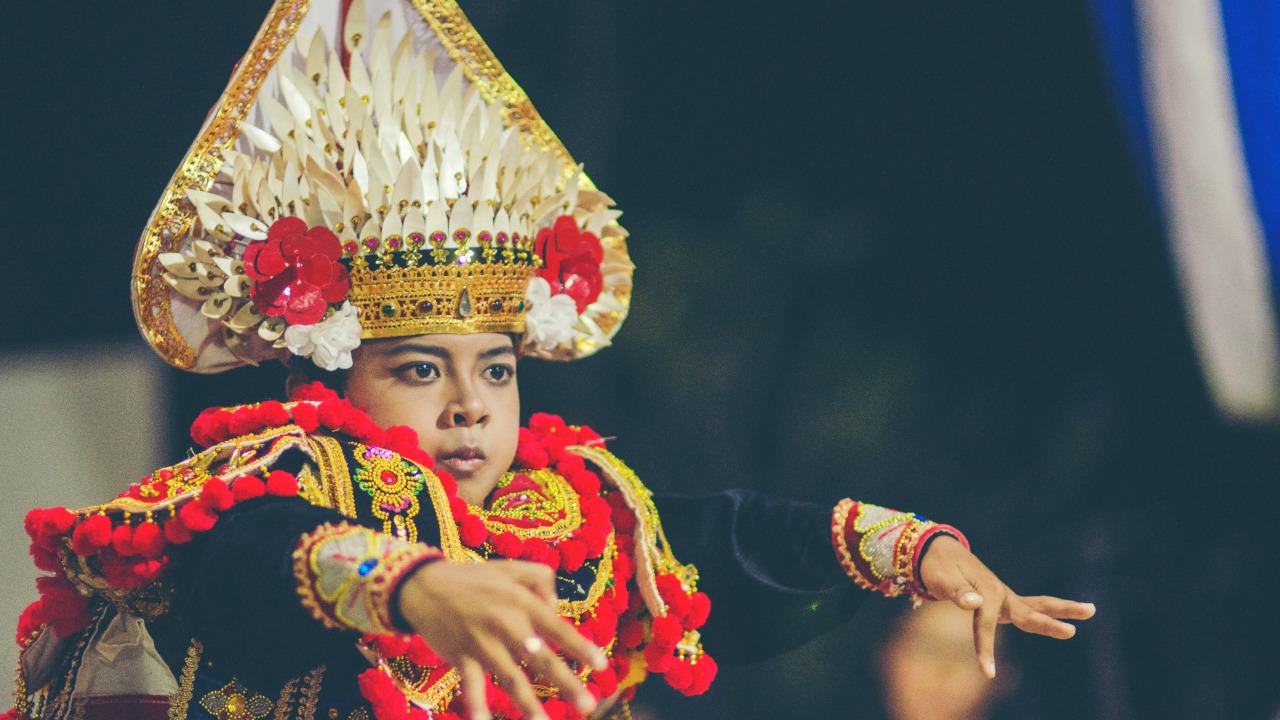
The Ubud Palace Dance is a nightly traditional performance held in the open-air courtyard of Puri Saren Agung, the historic royal palace of Ubud. For generations, the royal family has supported and preserved Balinese arts, making the palace a central hub for cultural expression.
Unlike modern theaters, there is no curtain call, no velvet seats, no artificial stage lights. Instead, the performance unfolds under the stars, framed by centuries-old architecture. Visitors sit on arranged chairs or woven mats while musicians play live Gamelan instruments beside the stage.
The result? An immersive cultural experience that feels intimate, authentic, and deeply rooted in Bali’s artistic soul.
Types of Traditional Dances Performed
While the show begins at the same time every night, the performance style rotates throughout the week. Each dance tells a different story, often drawn from Hindu epics or ancient Balinese folklore.
1. Legong Dance
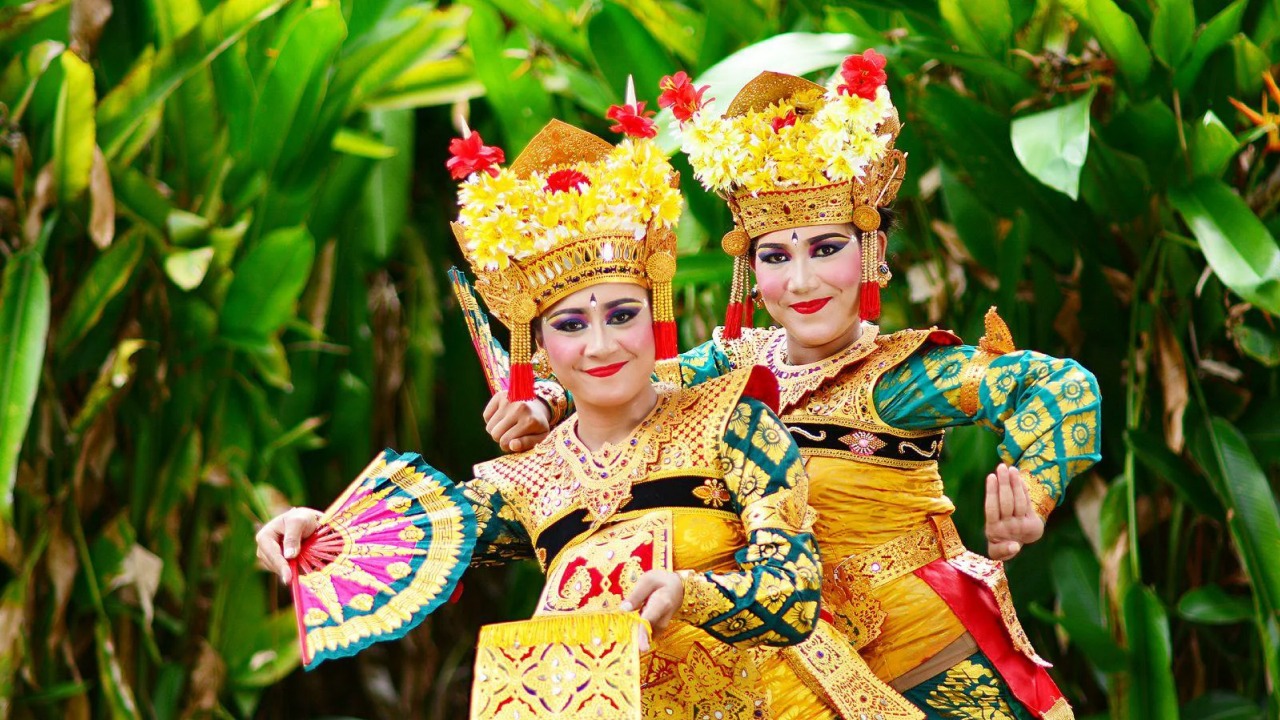
Refined, intricate, and mesmerizing, the Legong is considered the crown jewel of Balinese court dance. Traditionally performed by young girls, it features precise finger flicks, dramatic eye movements (seledet), and perfectly synchronized choreography.
Best for: First time watchers. The Legong is an elegant introduction to the beauty of Balinese dance.
2. Barong and Keris Dance
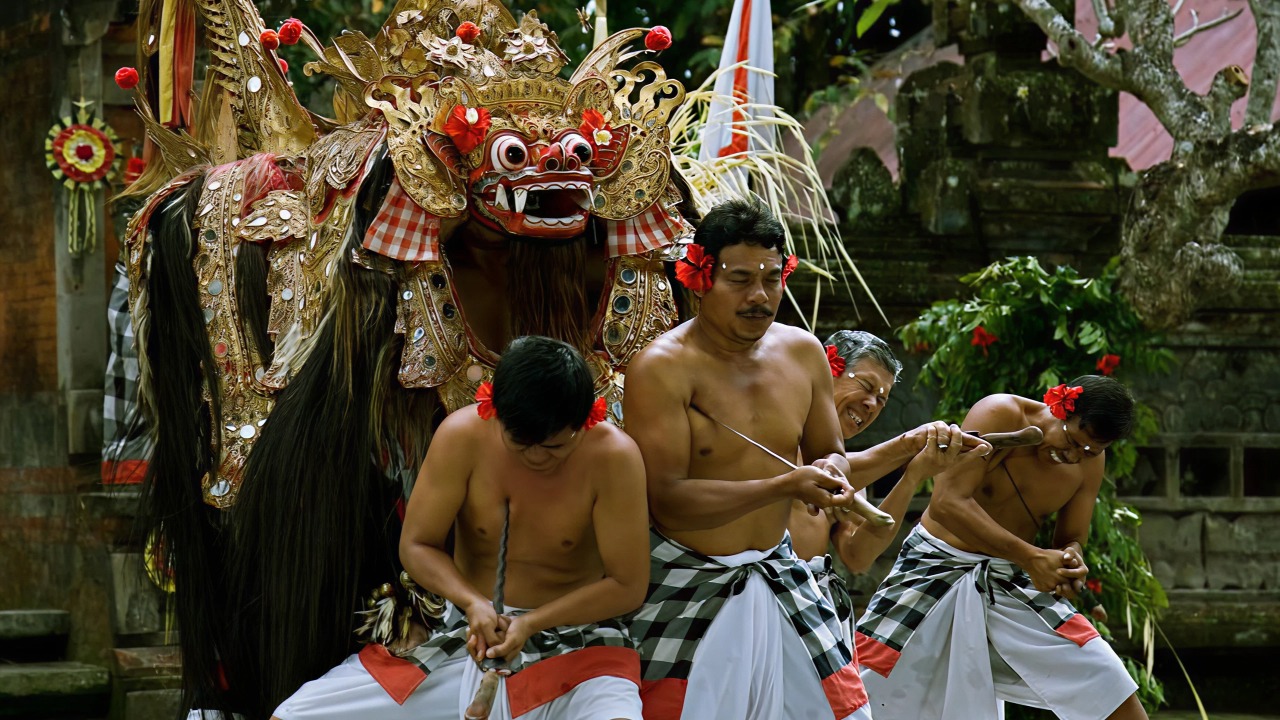
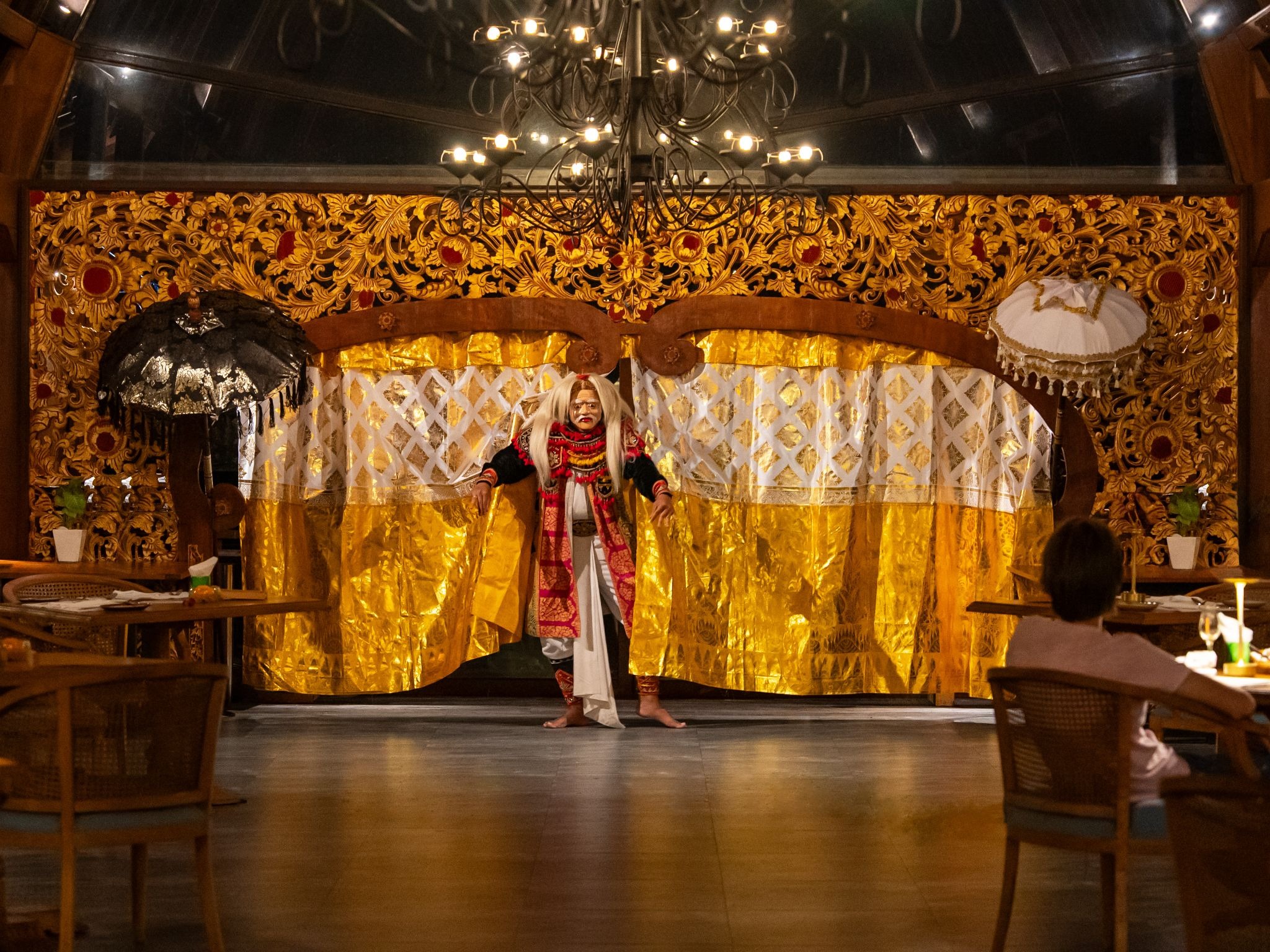
This dramatic performance depicts the eternal battle between good and evil. The Barong, a lion-like mythical creature, faces off against the dark witch Rangda. The energy is powerful, theatrical, and emotionally charged.
Best for: drama lovers. The theatrics of the Barong often incorporates moments of tension and high-energy movement.
3. Ramayana Ballet
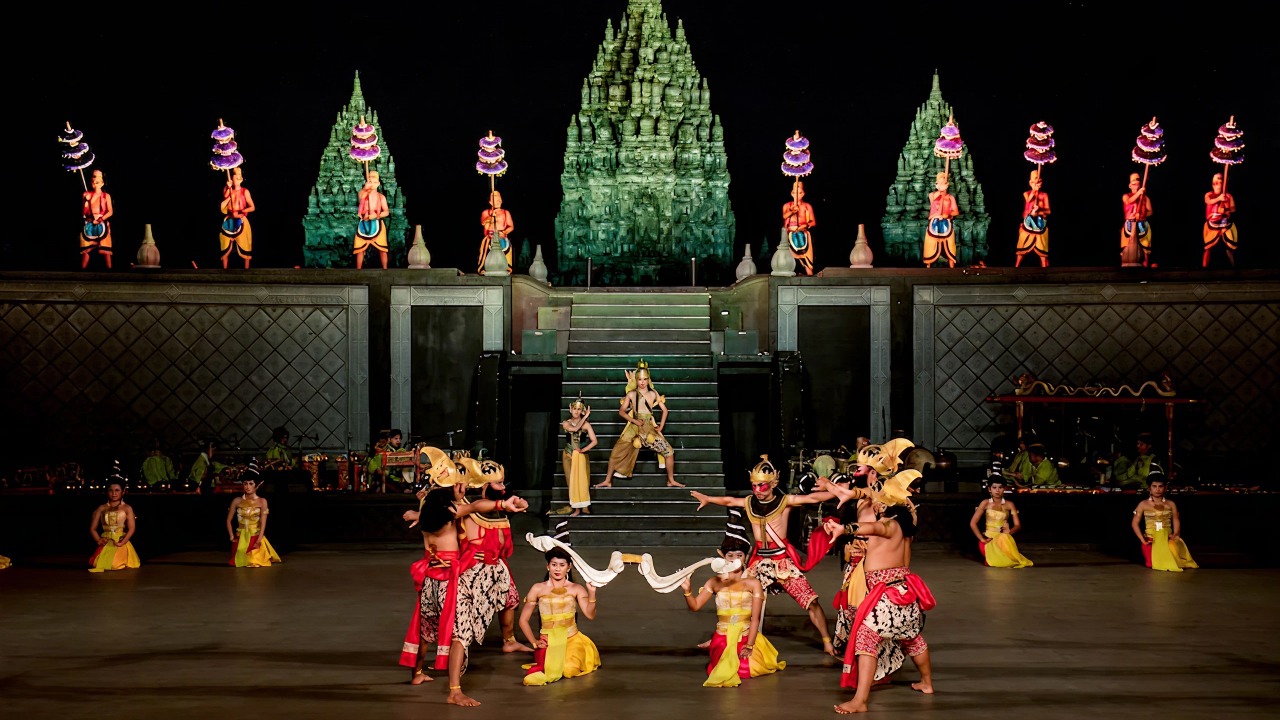
A narrative dance based on the Hindu epic Ramayana, this ballet recounts the story of Prince Rama, Princess Sita, and the monkey god Hanuman. It combines drama, romance, and heroism into a compelling theatrical experience.
Best for: storytellers. The epic of Ramayana is told through a series of captivating movements to embody love, loss, and victory.
4. Other Rotating Styles
Occasionally, you may encounter variations such as Kecak Dance (chant-based performance), Janger Dance (social dance with male and female groups), and special fusion performances combining Legong and Barong elements.
Show Schedule & Timing
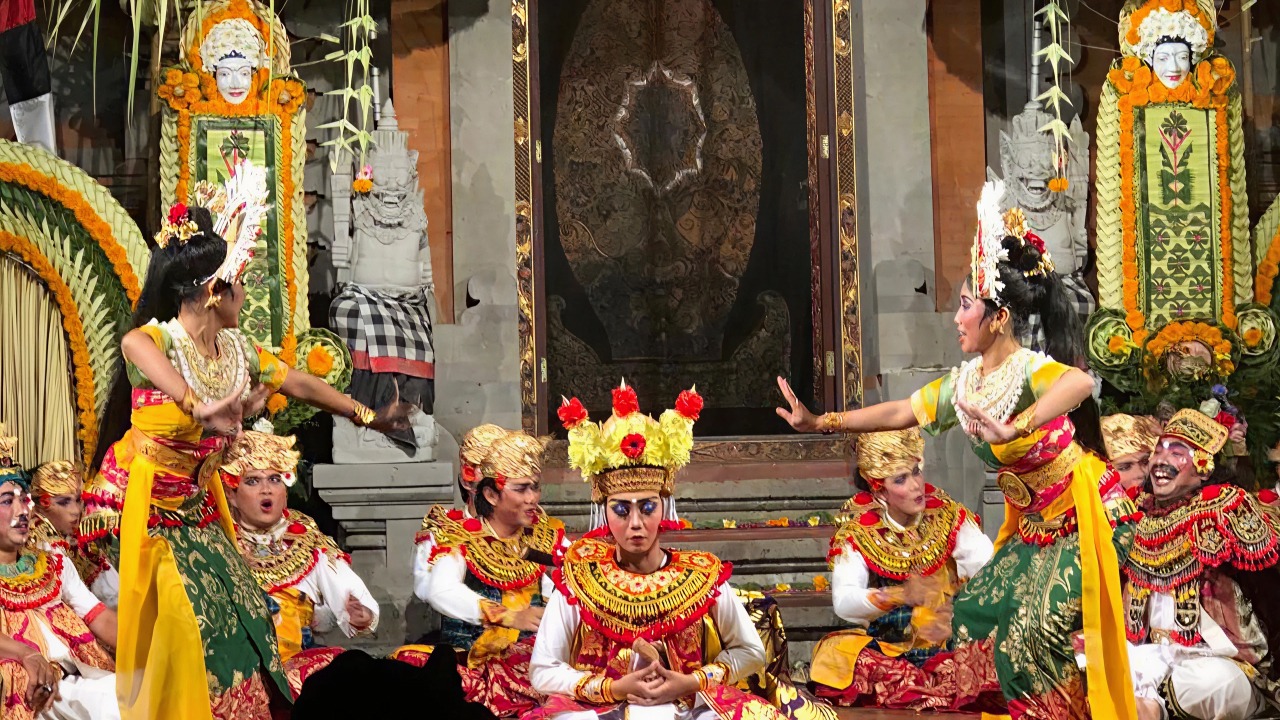
Different troupes perform on different nights, which means no two evenings feel exactly the same. But generally, the schedule will be like this:
Start Time: 7:30 PM nightly
Duration: Approximately 75–90 minutes
Seating is first-come, first-served. Arrive by 6:30–6:45 PM to secure front-row seating. This allows you to fully appreciate the dancers’ detailed expressions and intricate hand gestures, elements that are central to Balinese performance art.
Ticket Information (2026 Rates)
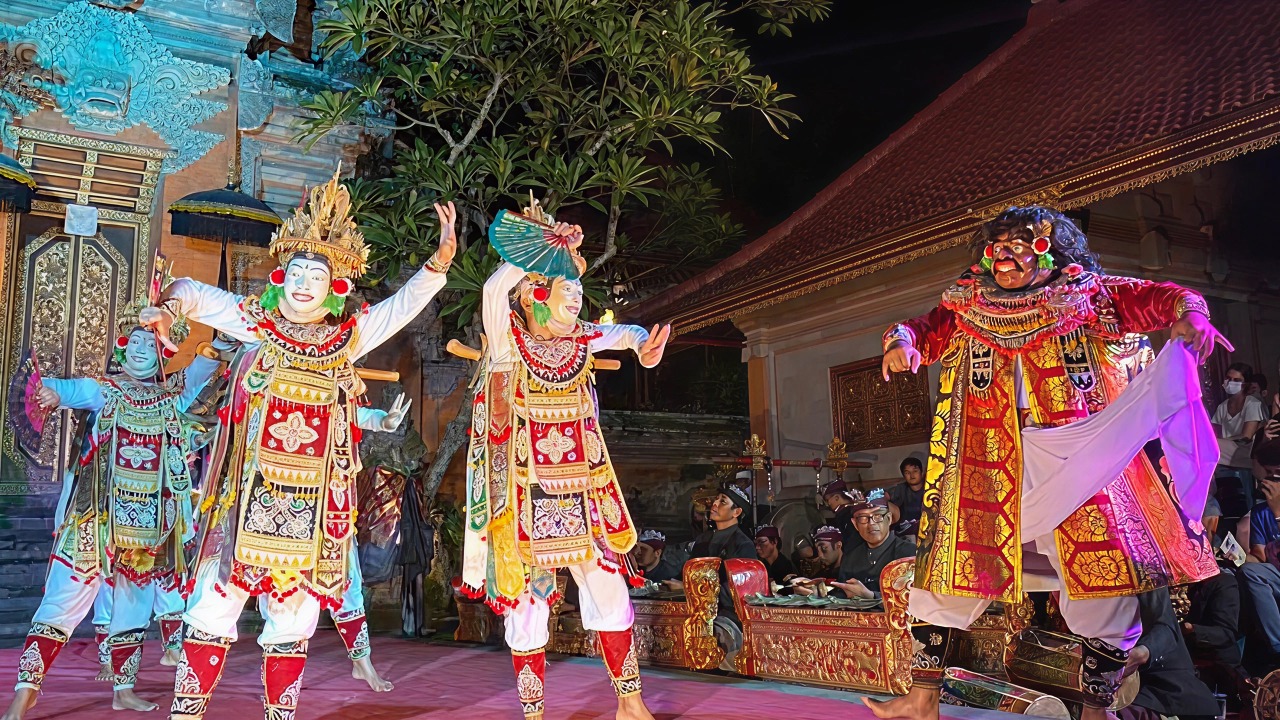
Price: IDR 100,000–150,000 per person
Where to Buy:
- Official sellers at the palace entrance from 5:00 PM
- Local vendors near the main Ubud intersection
- Online platforms such as Traveloka or Tiket.com
Buying tickets directly from local sellers is common practice and supports the community. There are no reserved seats, so early arrival makes a difference.
What to Expect During the Performance
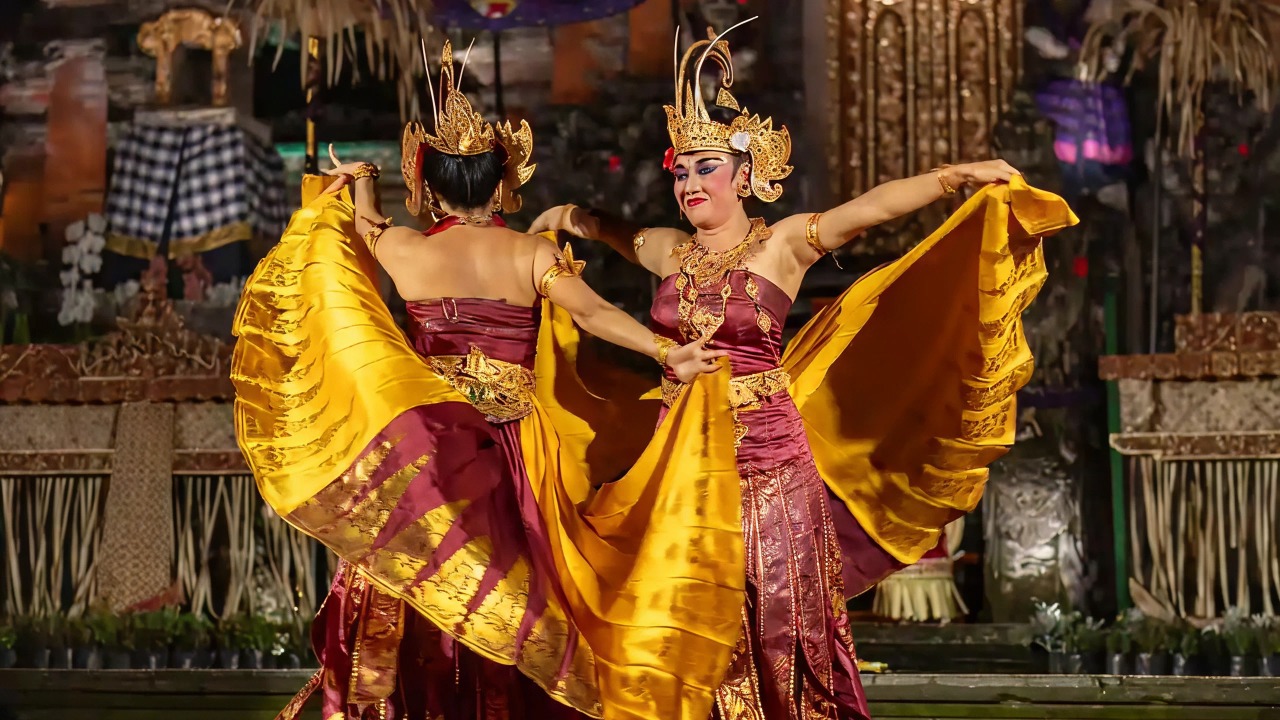
The experience begins the moment the Gamelan orchestra strikes its first metallic rhythm. The tempo rises and falls in hypnotic waves, guiding the dancers’ every movement.
Expect:
- Open-air courtyard ambiance
- Ornate gold-leaf costumes
- Dramatic eye and finger movements
- Live traditional orchestra
- Minimal stage props but powerful storytelling
The atmosphere feels both grand and intimate; a royal cultural showcase accessible to everyone. Some young children may find the masked dancers and loud chanting slightly intense, however this is a great opportunity to expose your little ones to the diverse culture of Bali.
If rain falls, the performance typically moves to a covered pavilion nearby, ensuring the show continues uninterrupted.
Dress Code & Visitor Etiquette
Although the palace is a royal residence, the dance area is less formal than temple ceremonies. You can wear something casual yet modest clothing is appropriate. No sarong required.
Photography is allowed but turn off your flash. Bright flashes disrupt the performers’ concentration.
It will be wise to remain seated during scenes and maintain respectful silence.
Bringing a light shawl is also wise, as evenings can feel cooler after sunset.
Ubud Palace vs. Water Palace: Which to Choose?
Both venues offer beautiful settings, but they differ in atmosphere.
Ubud Palace (Puri Saren):
- Setting: Larger stage, which allows for more elaborate performances and bigger casts. More grand, royal setting with traditional palace architecture
- Schedule: Consistent nightly schedule, making it easier to plan ahead
- Visibility: Better visibility from most seats due to the open courtyard layout
- Crowd: Heavier crowds, especially on weekends and peak season
- Accessibility: Highly accessible from all parts of Ubud, right in the town center
Water Palace (Pura Taman Saraswati):
- Setting: Famous lotus pond backdrop, especially stunning at sunset and night when lit up. An intimate setting, creating a closer connection to the performers
- Crowd: Generally fewer crowds than Ubud Palace, but still popular. The slightly smaller viewing area may lead to seats fill up quickly.
- Photography Appeal: Strong photography appeal thanks to the temple gates and reflective water
- Sound: Acoustics can feel more immersive due to the enclosed layout
- Accessibility: Slightly less central but still walkable from most central Ubud locations
If it’s your first dance performance in Bali, Ubud Palace is often considered the most complete and iconic introduction.
A Perfect Evening Itinerary (5 PM – 9 PM)
Make the most of your night in central Ubud:
5:00 PM: Start with browsing souvenirs at Ubud Art Market
6:00 PM: Early dinner at a nearby café
6:45 PM: Arrive at Ubud Palace for seating
7:30 PM: Dance performance begins
9:00 PM: Enjoy a relaxed evening stroll back through town
Experiencing the Ubud Palace Dance is unforgettable, but returning to the right place afterward completes the evening.
Rather than navigating traffic or long transfers, many travelers prefer staying close to the cultural center while still enjoying privacy and tranquility.
Abisena Wellness and Resort offers exactly that balance.
Located just minutes from Ubud Palace, the resort provides a serene retreat tucked away from the main road. After an evening immersed in royal performance and mythology, imagine returning to your private villa surrounded by lush greenery and soft ambient lighting.
Instead of the noise of town, you’ll hear only rustling leaves and distant night sounds. Instead of crowds, you’ll have space to unwind.
FAQs
Do I need to book tickets in advance?
Advance booking is not required. Purchasing at the entrance before the show is common practice.
Which seats are best?
Ubud Palace: Front-center seats are the best for clear views of facial expressions and hand movements. Arrive at least 30–60 minutes early as the open seating fills up fast.
Pura Taman Saraswati: Seats facing the center gate and lotus pond give the most iconic view. Front rows still win for immersion.
Can children attend?
Yes. The colorful costumes and music often captivate younger audiences.
Is it crowded?
It depends. Ubud Palace is the most crowded option, especially in peak season and weekends. Pura Taman Saraswati is still popular, but generally less chaotic. The crowd feels more controlled due to the smaller venue.
Are seats covered in case of rain?
If it rains, the performance typically moves to a covered area.
Is there parking nearby?
Limited street parking is available. It’s easier to walk or use a driver.
How long is the show?
Approximately 75–90 minutes. You can definitely leave in the middle of the show as there are no strict restrictions.
Is it suitable for elderly visitors?
Yes, as the shows are set in a relatively accessible setting. Consider Pura Taman Saraswati for a less overwhelming experience as the venue is smaller.
Is it worth seeing more than once?
Absolutely. Different nights feature different dances and storylines.
Final Thoughts
As modern travel becomes faster and more digital, experiences like this remain timeless. Sitting beneath the stars, listening to ancient rhythms, and watching dancers move with astonishing precision reminds you why Bali continues to enchant the world.
If you’re in Ubud, make space in your itinerary for this magical evening. It may just become the highlight of your journey.